Brand Development.
Make your brand unforgettable.
Bring clarity to who you are, what you stand for, and how you show up. Build a brand that feels consistent from the first introduction to every interaction that follows.
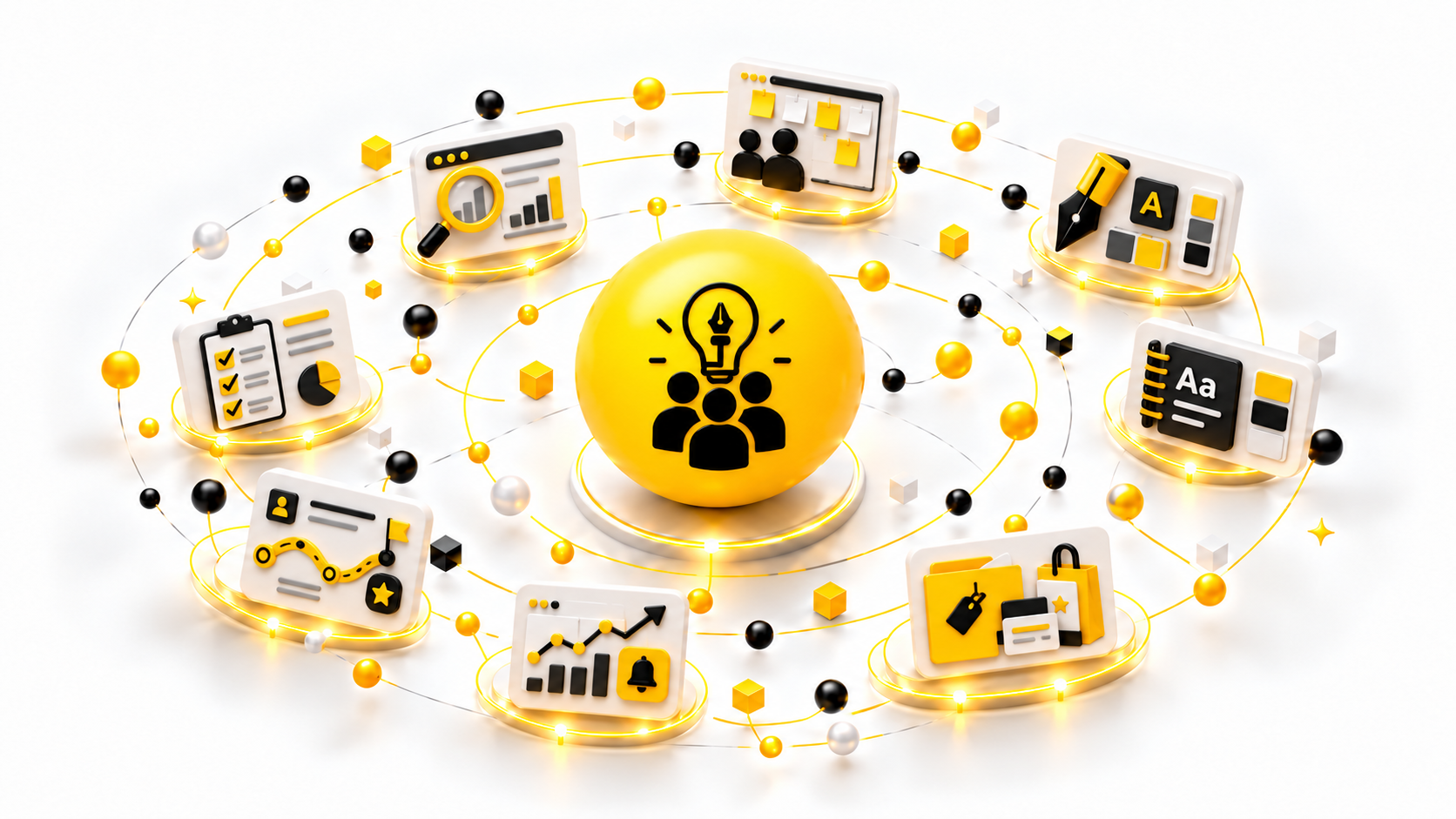
A brand is more than a logo.
It's the story people remember, the feeling they associate with your business, and the details that make you recognizable. Brand development brings those pieces together around a clear direction.
Whether you're building something new or rethinking an existing identity, start with the foundations: your audience, your purpose, and what makes your business different. Let those decisions guide the way your brand looks, sounds, and feels.
Start with a clear foundation.
Before choosing colors or designing a logo, it helps to understand the business behind the brand. A brand audit looks at how you present yourself today, while research explores your audience, competitors, and market. Discovery brings those insights together to clarify your purpose, values, personality, and position: what you stand for, who you serve, and why someone should choose you.
Turn that direction into an identity.
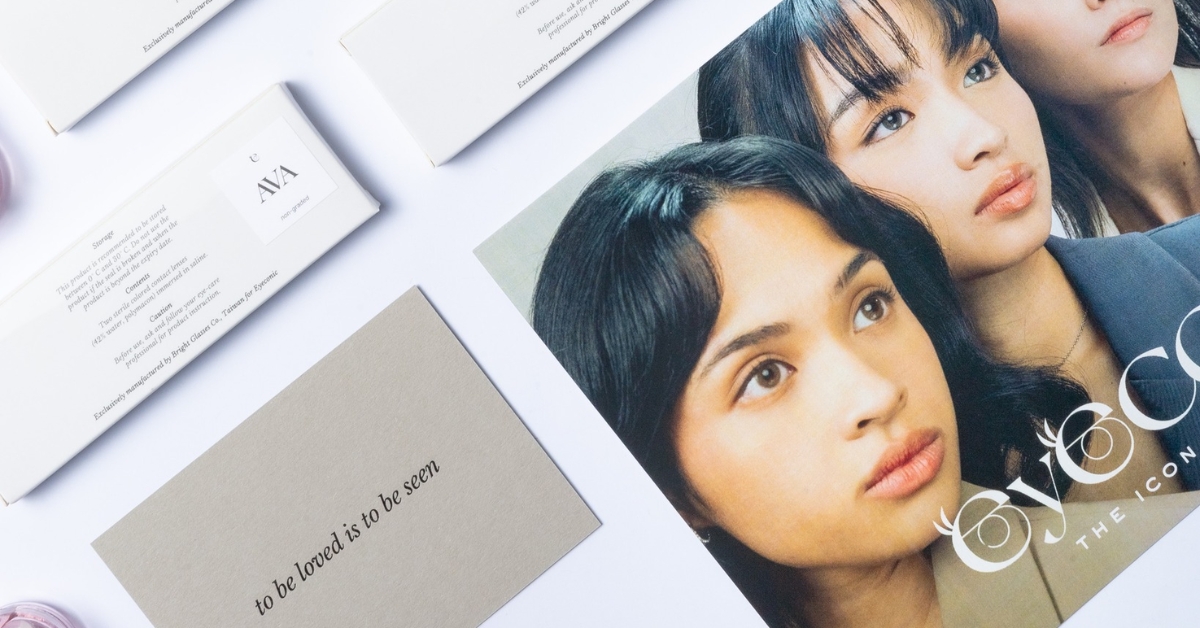
A visual identity gives your strategy a recognizable form. Your logo, color palette, typography, imagery, and design elements should work together, with a voice and message that feel like the same business. The goal is a connected system that can adapt across a website, social content, packaging, presentations, and other brand materials.
Brand experience takes that thinking beyond individual designs. Consider how someone discovers you, explores what you offer, speaks with your team, and becomes a customer. Consistency across those moments can make your business easier to recognize and understand, while giving people a clearer sense of what to expect.
Make it usable as your business grows.
Brand identity guidelines capture the decisions behind your identity and explain how to apply them. A brand kit turnover workshop helps your team understand the assets, work through practical examples, and use them with confidence. This gives the people creating your content and materials a shared reference, rather than asking them to interpret the brand from scratch each time.
Brand development also leaves room to evolve. Monitoring how the identity appears across your touchpoints helps you notice inconsistencies and decide what needs refining. Together, these steps connect strategy, design, and everyday use, so your brand can remain recognizable while your business moves forward.
Who is brand development for?
For a new business, brand development can help turn an early idea into a clear identity before launch. It creates a foundation for decisions about how to introduce your offer, communicate your value, and present yourself to the people you want to reach. Instead of designing each new material in isolation, you can work from a direction that connects them.
Established businesses can benefit when their identity no longer reflects who they are. You might be expanding your services, entering a new market, reaching a different audience, or bringing several business units together. A growing team may also need clearer guidelines when different departments or suppliers produce materials that look and sound disconnected. The starting point is understanding what should change and what existing recognition is worth preserving.
Why it matters, and what it can help deliver.
A clear brand gives customers a more consistent way to understand your business. It helps explain what you offer, how you are different, and whether your approach fits their needs. Internally, the same clarity can make creative decisions easier: your team has agreed principles to refer to when reviewing a design, writing a message, or planning a new customer touchpoint.
The practical outcomes are a defined brand direction, a connected visual identity, and guidance for applying it. Depending on the agreed scope, these may include research findings, identity assets, application examples, and a set of brand guidelines. These are tools for building recognition and consistency over time; the exact deliverables should be confirmed around your business goals.
Results can be assessed through the way the brand is used and understood: more consistent materials, a clearer explanation of your offer, fewer repeated design decisions, and audience feedback that reflects the intended positioning. Brand development supports marketing and customer experience, but sales and growth also depend on your offer, execution, distribution, and wider market conditions. A useful starting point is to agree which improvements matter most, then review the brand against those goals as it develops.
What's included.
From understanding your starting point to putting your identity into practice, explore the building blocks of brand development.
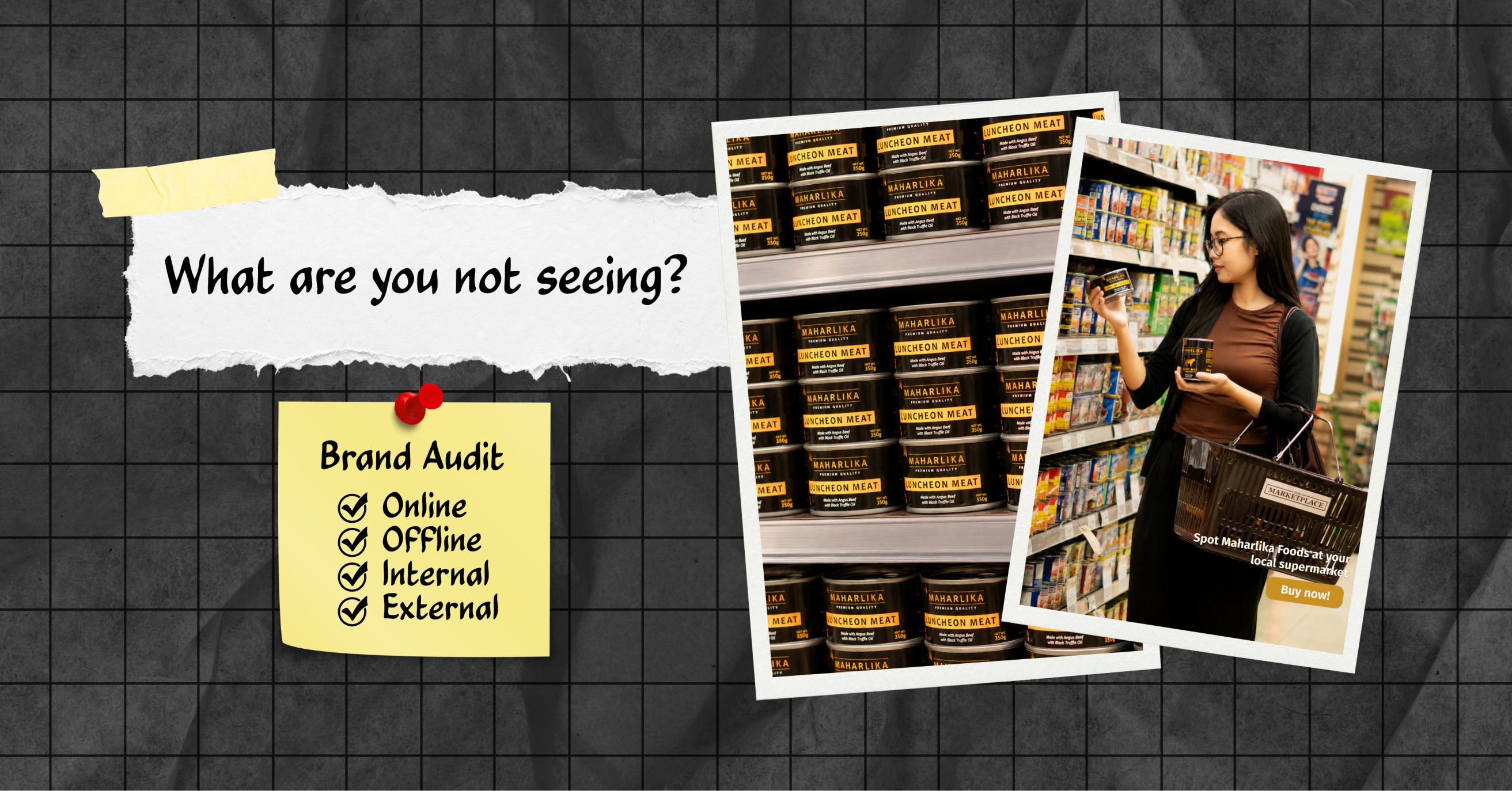
Brand Audit
Take a closer look at your existing identity, messaging, and customer touchpoints. Identify what's working, where the gaps are, and what could be more consistent.
Brand Research
Explore your audience, competitors, and market context to understand the opportunities your brand can respond to.
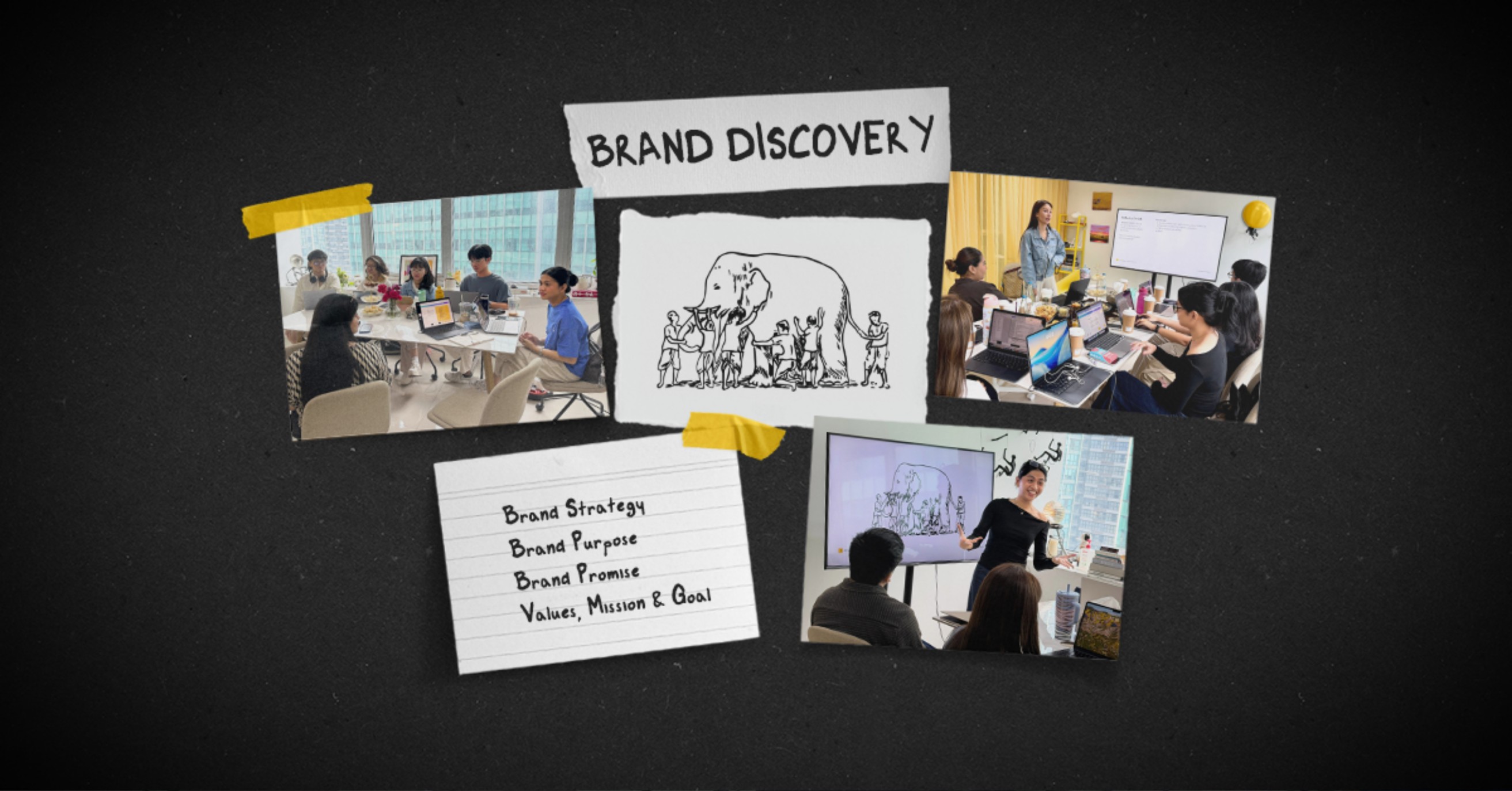
Brand Discovery
Define the purpose, personality, and positioning at the heart of your business. Bring your goals and brand direction into the same conversation.
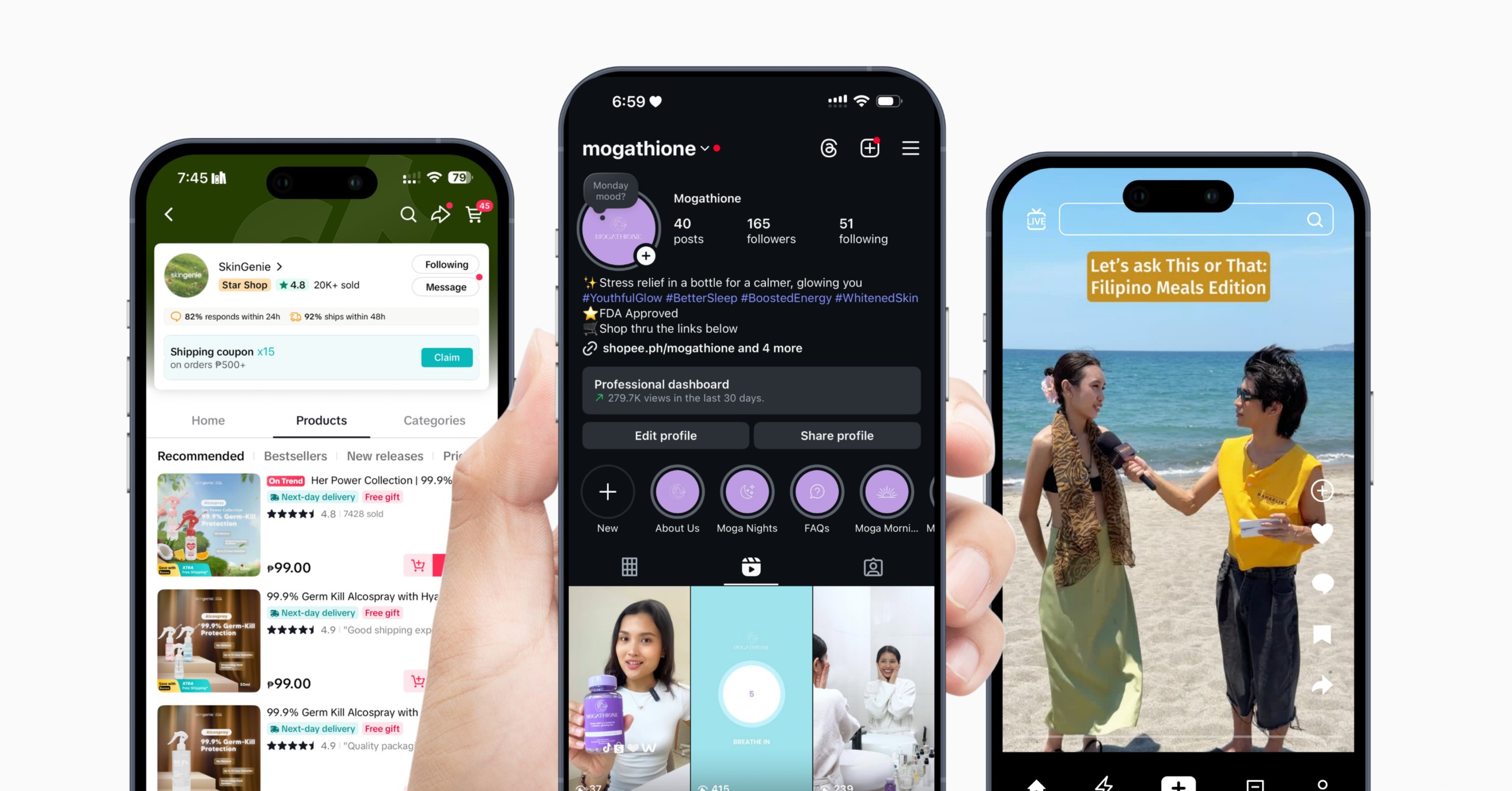
Brand Experience
Consider how people encounter your brand across different touchpoints, and how each interaction can feel like part of one consistent experience.
Brand Design
Translate your brand direction into a visual identity through logo, color, typography, and a design language that works across your materials.
Brand Identity Guidelines
Document the essentials of your identity so your team has a clear reference for using your brand consistently.
Brand Kit Turnover Workshop
Walk through your brand assets and guidelines with your team, and explore how to apply them in everyday communication.
Brand Monitoring
Review how the identity is being applied and identify opportunities to keep the brand consistent as the business evolves.