The Biggest Mall in the World Fits in Your Pocket: How Social Media Became the New Space for Brand Discovery
.jpg)
.jpg)
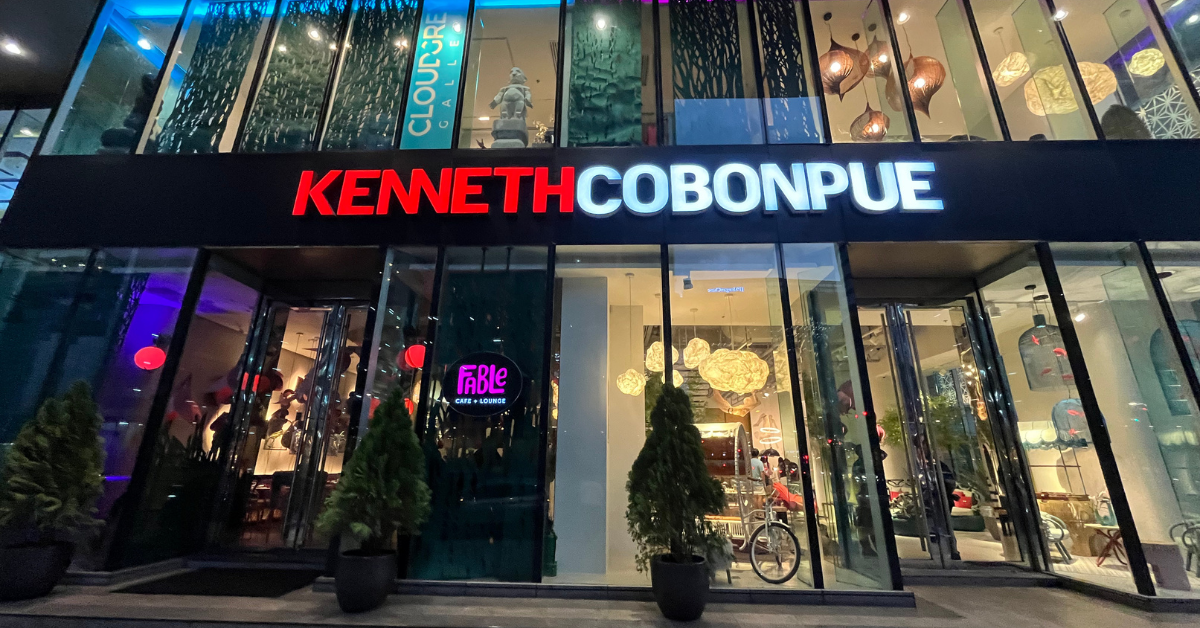
The biggest mall isn't just a building anymore. It's your social media feed.
The way people discover brands hasn't changed as much as we think. We've simply traded walking through shopping malls for scrolling through endless content.
Before the world became this digital, people went to the mall to see what was new. "Tambay sa mall" was a go-to Filipino weekend activity. People didn't just go there to shop. They wandered through stores, spotted new products, discovered new brands, and figured out what was worth trying or buying. If they wanted ideas before making a purchase, the mall was where they looked.
That habit of discovering before buying never disappeared. People still want to explore before making a purchase. The only difference is that the mall has changed.
Now, that mall is social media.

The New Mall Walk
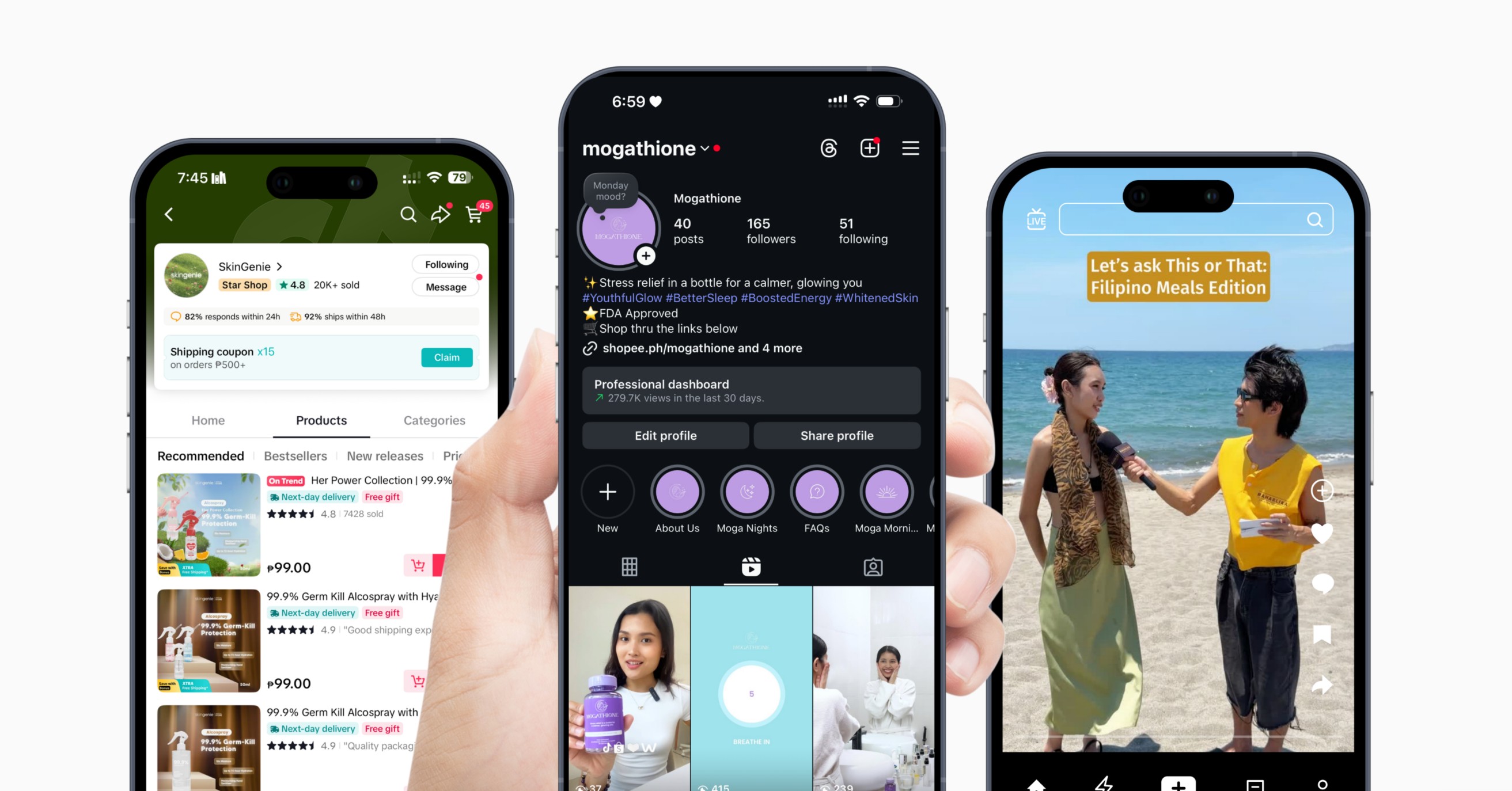
As social media became the new mall, people stopped browsing stores and started browsing algorithms. Today, creators, communities, and algorithms have become the new bags of trusted recommendations, reviews, and discoveries. Whether it's finding a coffee shop with great drinks and ambiance or discovering a new brand, people now turn to platforms like TikTok for authentic insights before making a decision.
The "For You" page is the new mall walk. You wander through it the way you'd wander through shopping aisles, browsing until something catches your taste and attention.
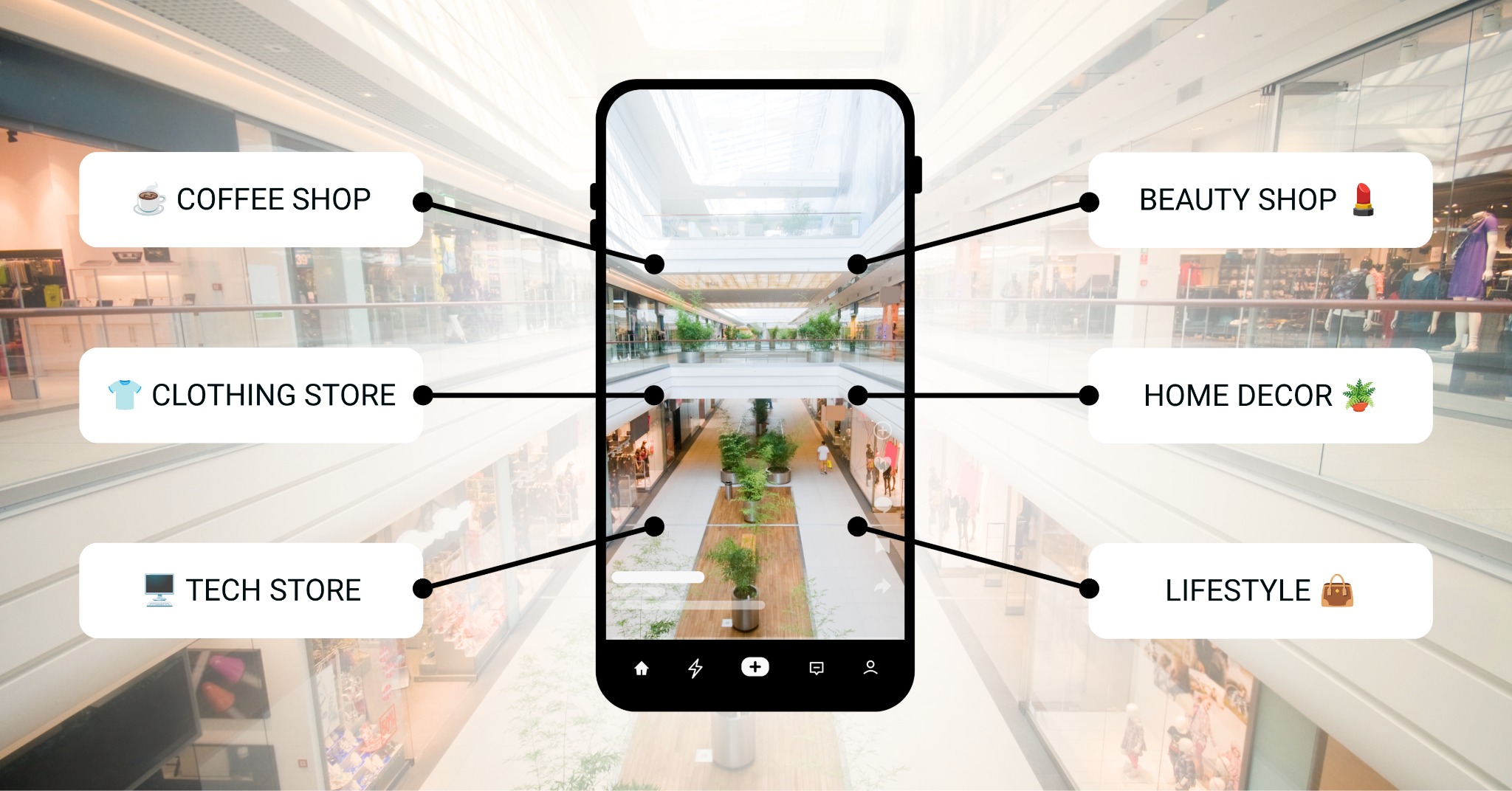
This also changes how people shop. Discovery is increasingly algorithm-led rather than search-led, and authentic content often outperforms polished advertising. That's what marketing looks like today.
Short-Form Content: The Window Display
If social media is where people discover brands, then short-form content is where first impressions happen.
Platforms like TikTok, Instagram Reels, and YouTube Shorts are great at grabbing attention and sparking curiosity. But getting noticed is only the first step.
Think of it like seeing an outfit on a mannequin. You don't usually buy it right away. You walk into the store first to learn more.
Short-form content works the same way. It catches people's attention and encourages them to explore further. Then, long-form content, reviews, websites, and product pages give them the information they need to decide whether to buy.
When Intent Kicks In
People still search for products. They just search differently.
Search behavior has shifted from casual browsing to intentional discovery. Consumers now use specific, need-based searches to find exactly what they're looking for.
This is the point where shoppers stop casually browsing and start looking with a purpose.

After discovering a product on TikTok, many head to Shopee, Lazada, or a brand's website to compare prices, read reviews, and decide if it's worth buying.
Of course, not everyone shops the same way. Some enjoy exploring, while others already know what they want. That's why good marketing should connect with both types of shoppers.
Instead of just promoting products, brands should create content that answers the questions people are already asking.
Every Platform Has a Job
When brands understand the intent behind their audience's behavior, it becomes easier to know where each piece of content belongs.
People open different platforms for different reasons, and brands should respect those expectations.
Think of each platform as a different "store" inside the mall:
To make this easier, try thinking of the social media landscape as a giant shopping mall, with each platform operating as a uniquely different "store" inside it:
- TikTok (Food Court): Fast-paced and highly digestible, users come here for entertainment-first discovery. It’s the perfect place for surfacing new products, catching up on trends, and engaging in low-commitment browsing.
- Instagram (Boutique Window): Highly visual and beautifully curated, this is where you go to window shop. It’s an aesthetic, aspirational space designed specifically for powerful brand-building.
- YouTube (Department Store): When people want to look under the hood, they come here. It’s the ultimate destination for deep research, detailed information, and thorough product comparisons.
- Facebook (Community Bulletin Board): It’s where people connect with their circles. This makes it the ideal hub for sharing peer reviews and generating authentic word-of-mouth buzz.
- LinkedIn (Business Wing): The professional side of the mall. This space is uniquely tailored for establishing credibility, showcasing B2B expertise, and cementing your thought leadership in the industry.
By matching your content to the specific "job" of each platform, you ensure your brand is always showing up in the right place, in the right context, and at exactly the right time.
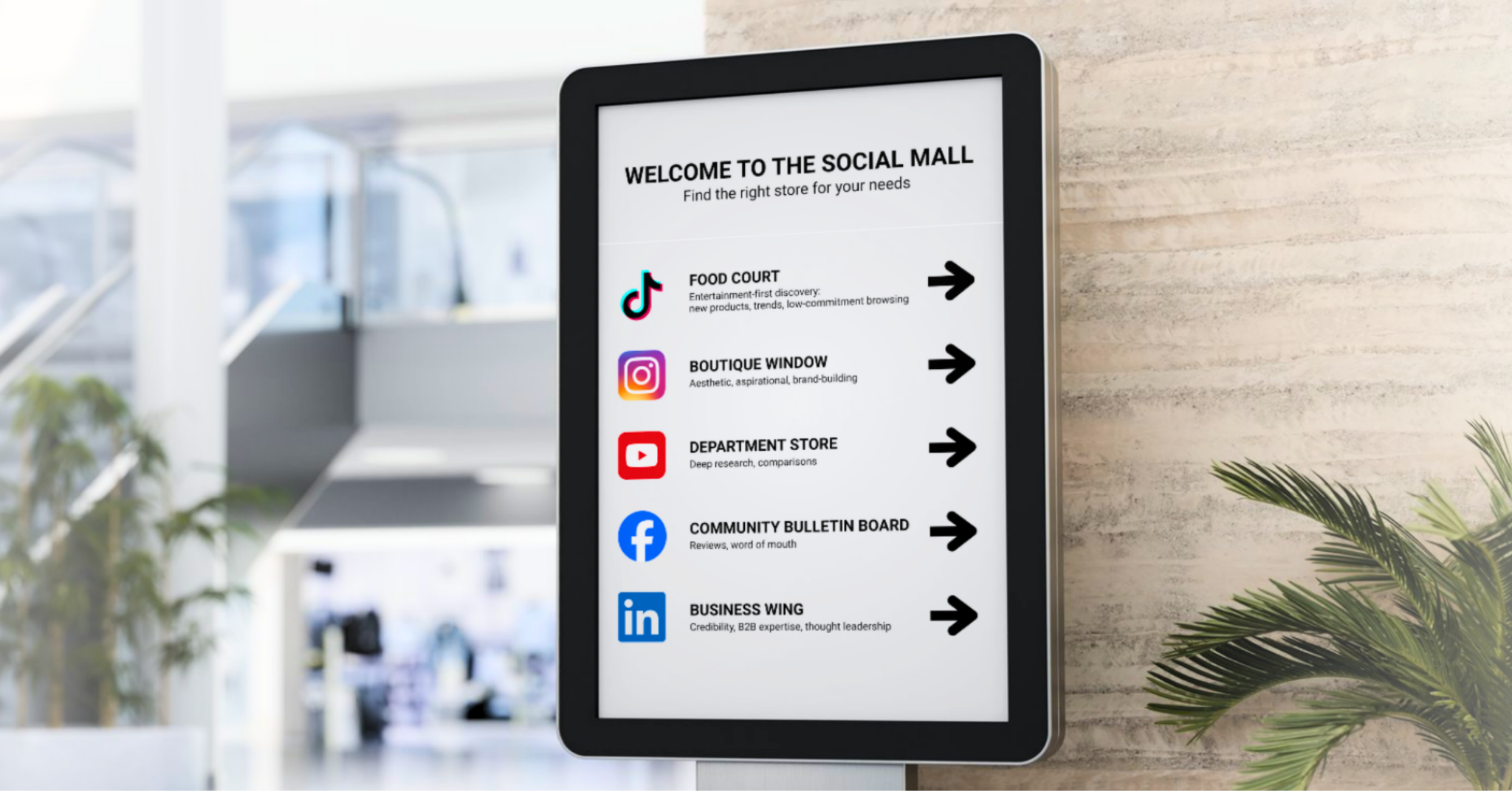
Platform specialization matters because every platform serves a different intent.
Brands don't need to copy and paste the same content everywhere. Instead, they need to tell different parts of the same story in places where people naturally expect to find them.
Modern marketing isn't about being everywhere.
It's about showing up with the right content, on the right platform, at the right moment.
What This Means for Brands
So what does this mean for brands? It means shifting the focus from simply gaining more sales or followers to asking better questions:
- How are people discovering us?
- Who are we trying to reach, and where are they in their journey?
- What questions are we helping them answer?
- Which platforms best support each stage of that journey?
- Does every touchpoint build trust and move them closer to taking action?
A brand's social media should function like a mall directory, with every platform guiding people to a different, specific reason to stop.
The strongest brands follow a connected marketing approach that creates consistent experiences across channels rather than treating each platform as a standalone campaign.
Build the Mall, Not Just the Store
The mall was never just a place to shop. It was where people discovered new brands, compared their options, and decided what was worth buying. Today, that same experience happens on social media.
The brands that stand out today aren't just posting more content. They're creating experiences that help people discover, compare, and trust their brand. Every platform plays a part in turning first impressions into real customers.
Marketing 360 Framework
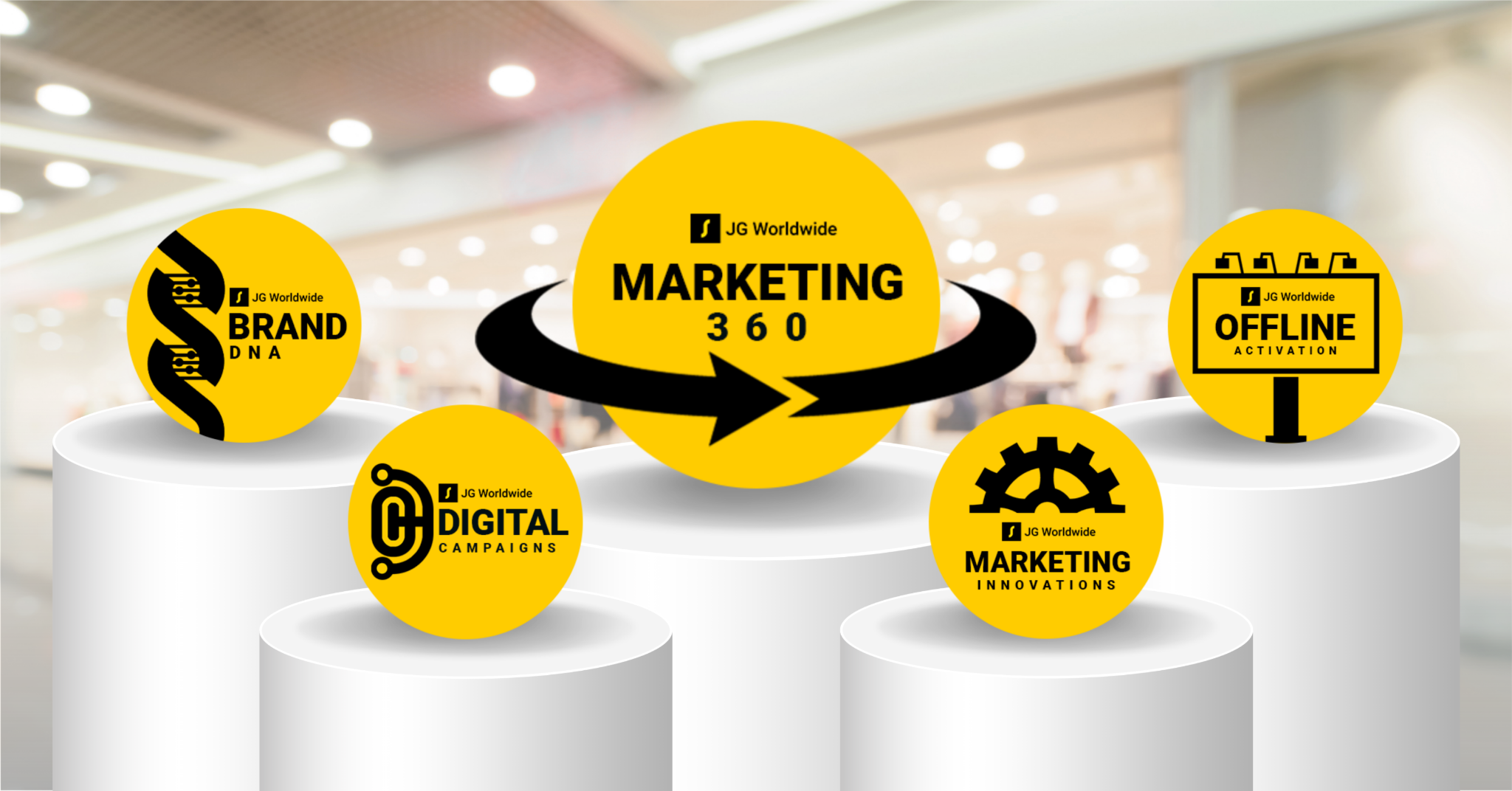
That's what JG Worldwide helps brands do through its Marketing360 framework, a connected, customer-first marketing approach.
Joie Barcarse
Contributor, Intern
Joie is a homebody who loves watching sports or binge-watching Survivor in her downtime. When it comes to getting her responsibilities done, she goes fully invested until the very end, preferring to ride the momentum and get things done in one go, unless her brain decides it needs a break first.


.jpg)
.jpg)

.jpg)
.png)


.png)

.png)
.png)
.png)
%20(1).jpg)
.png)


.png)
.jpg)


.jpg)




.png)
.png)
-min.png)
.png)
.png)


.png)





.jpg)


