.png)
our blogs
How to Simplify and Align Your Marketing Strategy
What's new

How to Simplify and Align Your Marketing Strategy
Joie Barcarse
Marketing complexity rarely appears all at once. It builds over time as businesses add new agencies, platforms, and tools to solve individual problems. What begins as a streamlined marketing operation can quickly become a fragmented system where teams, vendors, and channels work toward different priorities.
For operations directors and marketing leaders, the consequences are familiar: misaligned teams, inconsistent reporting, difficulty measuring performance, and growing marketing costs that fail to deliver expected results. Instead of adding more tools or processes, organizations need a different approach. Modern marketing requires an integrated strategy that aligns people, processes, technology, and business goals into a single, coordinated system.
Why Fragmented Marketing Slows Growth

Fragmented marketing does not usually fail in a big obvious way. It just slows things down little by little, until the impact becomes hard to ignore.
Today’s customers do not stick to one channel. They move between social media, search, email, websites, and even offline events. The problem starts when each team works in its own direction instead of sharing one clear plan. Over time, things start to feel disconnected.
Here is what usually happens:
- Messaging becomes inconsistent
A customer might see one tone or message on social media, then encounter something different at an event or through sales. It creates confusion and weakens the brand.
Teams often run similar campaigns or target the same audience separately.
This leads to duplicated effort and spending more without better results.
- It becomes hard to track what is working
Each team measures success in different ways, so reports do not line up. In the end, it is unclear which efforts are actually driving growth.
- Things move slower
With more people, vendors, and approvals involved, even simple campaigns take longer to launch or adjust.
The main issue is not the tools or the people. It is how the work is structured. When marketing is split into disconnected teams that operate separately, no one sees the full picture, and decisions get harder to make.
The way forward is a more unified approach where teams are aligned, working toward the same goals, and measuring success in a consistent way.
How to Move Without Disrupting Campaigns
The goal here isn’t to replace everything at once. It’s to gradually connect systems and teams while keeping existing campaigns running as normal.

List all vendors, platforms, workflows, and reporting processes. Map how work actually moves across teams. Identify gaps where messaging breaks, roles overlap, or tasks are duplicated. This becomes your baseline for deciding what to fix first.

Agree on one clear narrative across the organization. Make sure all teams, vendors, and channels follow the same direction. This sets the foundation before any operational changes.
Unify messaging across channels
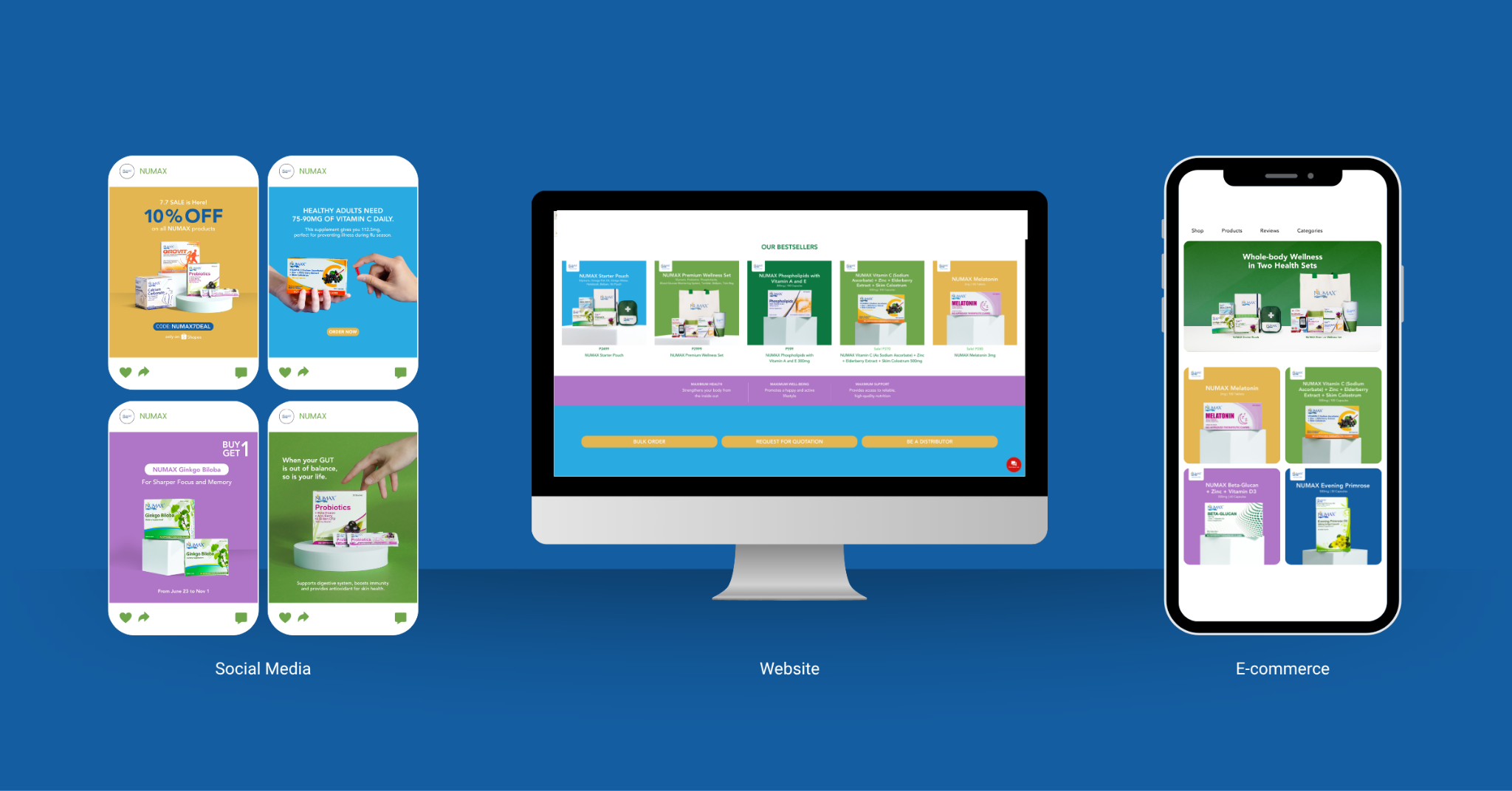
Align messaging across social, search, email, and events. Check for inconsistencies in tone, positioning, and execution. Fix gaps so the brand feels cohesive everywhere.
Handle consolidation in layers
Start with low-risk areas such as brand and content first. Once things are stable, gradually move into paid media and bigger campaign systems. Make sure there’s clear ownership at each stage so nothing gets lost or overlooked.

What Holistic Marketing Looks Like in Practice
When marketing functions as a connected system, the difference becomes evident almost immediately. Teams move quicker because they are guided by the same brief. Messaging stays consistent across all customer touchpoints. Reporting also becomes easier to understand, especially when showing how marketing supports real business results.
Marketing 360 Framework
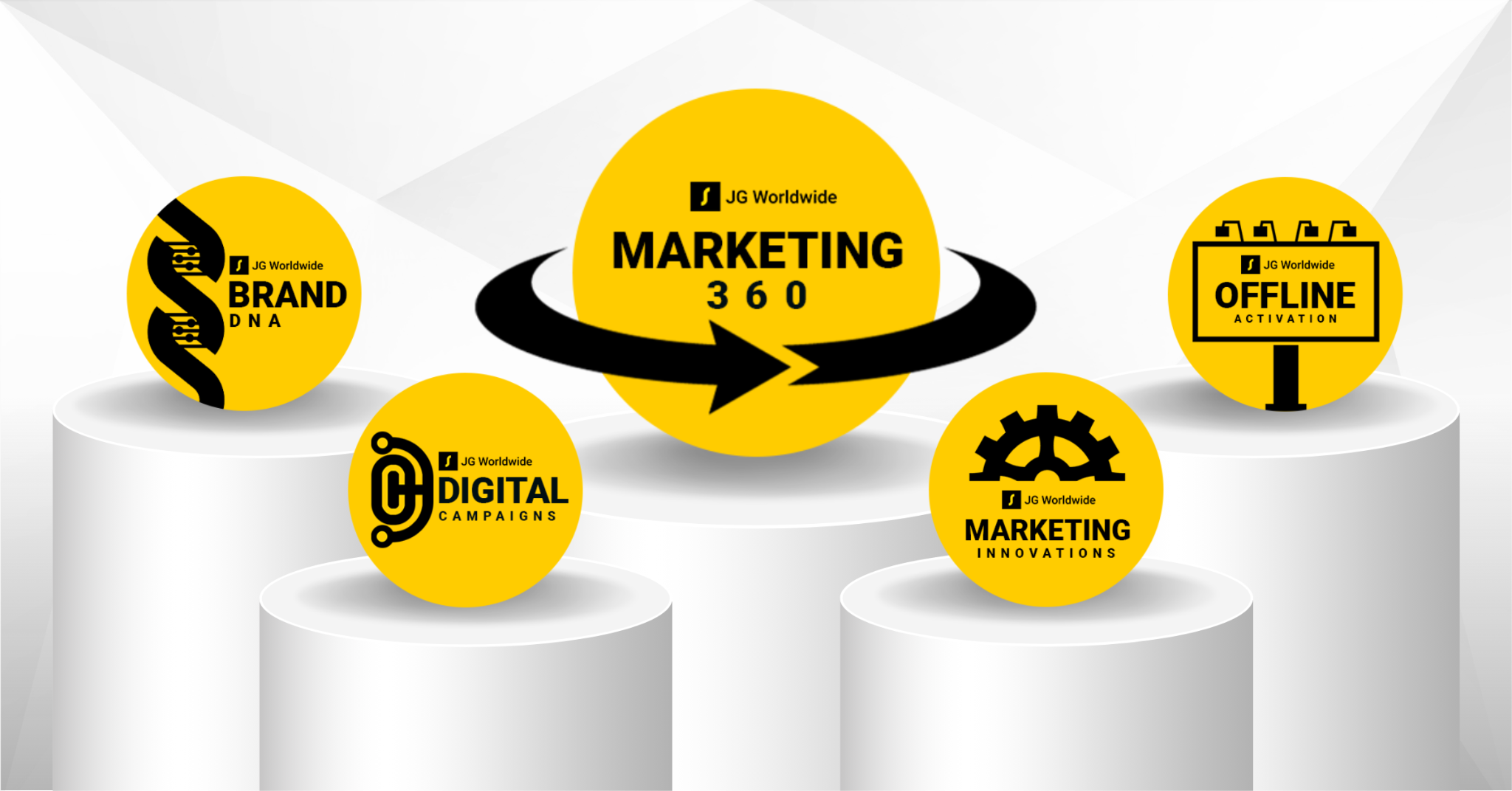
This is what JG Worldwide’s Marketing 360 framework is built for. It connects four main pillars: Brand DNA, Marketing Innovations, Digital Campaigns, and Offline Activation. The idea is to get these parts working together instead of staying separate. When that happens, it becomes what JG Worldwide refers to as a more aligned marketing system, where each effort helps and strengthens the others.
If a marketing system feels more complicated than it should, chances are some parts are not working together as effectively as they could. Instead of starting over, the focus should be on connecting existing efforts so they support one another and work toward the same goals.
.jpg)
.jpg)
.jpg)


.png)


.jpg)

.png)




.png)

.png)


.png)
.png)


.png)
%20(1).jpg)

-min.png)

.jpg)


.jpg)


.png)

.png)

.png)


.jpg)


.jpg)
.png)
.png)