.png)
our blogs
The Real Reason Why Most Rebrands Fail (Hint: It’s Not the Logo)
What's new

The Real Reason Why Most Rebrands Fail (Hint: It’s Not the Logo)
Raeneil Inocencio
A new logo can attract attention, but it can’t fix a brand that’s lost its direction.
One of the biggest misconceptions about rebranding is that it’s simply a visual makeover. Businesses often invest in fresh logos, updated packaging, or redesigned websites, expecting these changes to transform customer perception overnight. Yet despite the investment, many rebrands fail to deliver meaningful business results because they focus on aesthetics before strategy.
Successful rebranding isn’t about looking different, it’s about becoming more relevant. It requires understanding how your market has evolved, what your customers value today, and how your brand should position itself moving forward.
We’ll explore why rebrands fail, the costly shortcuts many businesses unknowingly take, and why the brand discovery phase is the foundation of every successful transformation. Whether you’re working with a branding agency in the Philippines or planning an internal rebrand, understanding the right process can help you avoid expensive mistakes and build a brand that lasts.
Why Most Rebrands Fail Before the Design Process Even Begins
Many businesses treat rebranding as a design project when it’s actually a business strategy. By jumping straight into visual execution, they overlook the research and planning needed to create a brand that resonates with customers and supports long-term growth.
Common rebranding mistakes in the Philippines often include:
- Refreshing the logo without redefining the brand’s positioning
- Skipping customer and competitor research
- Designing based on internal preferences instead of customer insights
- Following design trends instead of long-term brand strategy
- Compressing the planning process to save time and budget


These shortcuts may speed up production, but they often create bigger challenges after launch. A visually appealing brand that lacks strategic direction can confuse customers, weaken brand recognition, and require costly revisions down the line.
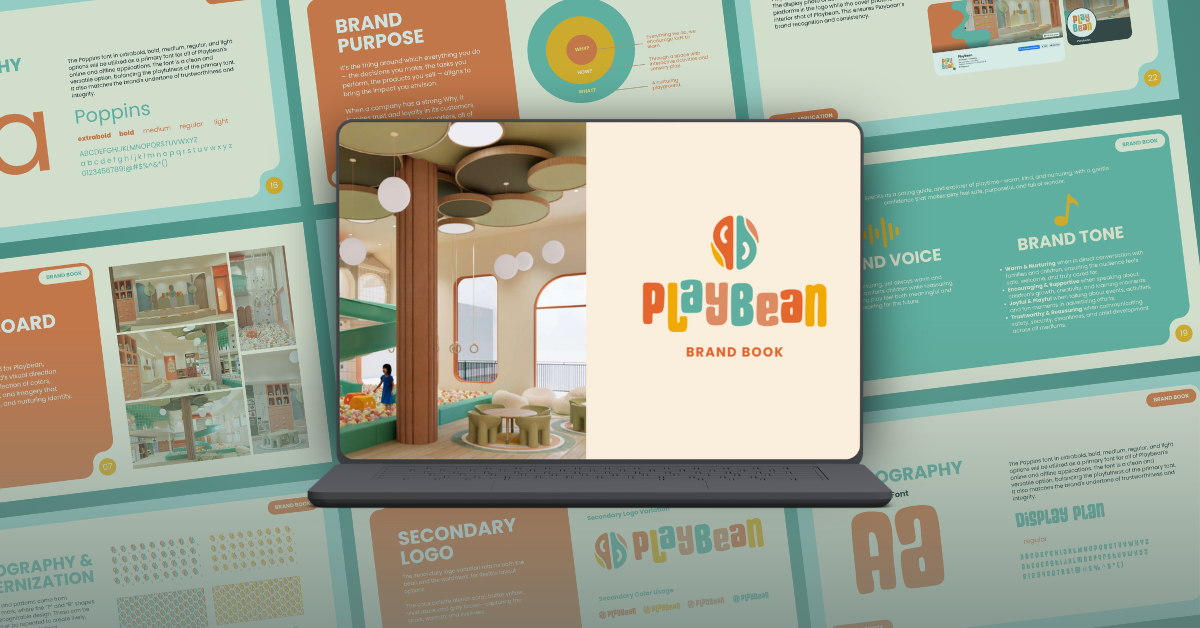
This is why successful transformation began long before the first logo concept was designed. For example, a research-driven rebranding journey began with consumer research, audience mapping, and positioning before any visual identity was created. That strategic foundation allowed the brand to evolve its messaging and customer experience, not just its appearance.
The Brand Discovery Phase: The Step Most Businesses Skip
Every successful rebrand starts with one critical question: Who are we becoming?
The brand discovery phase answers that question before any creative work begins. It aligns business goals, customer expectations, market opportunities, and brand identity into one cohesive direction. Without it, even the most beautiful branding can struggle to create meaningful connections.
Understanding Your Audience Before Changing Your Identity
Customers don’t experience your brand the same way you do.
Business owners often make branding decisions based on personal preferences, while customers evaluate brands based on relevance, trust, and emotional connection. Understanding these perceptions requires research not assumptions.
Audience interviews, customer feedback, market analysis, and competitor reviews reveal the insights that should shape a rebrand. Rather than asking, “What logo do we like?” strategic businesses ask, “What does our audience need from us today?”
Rebranding Is More Than a Visual Refresh
A new visual identity should communicate a new promise and not simply introduce a new look.
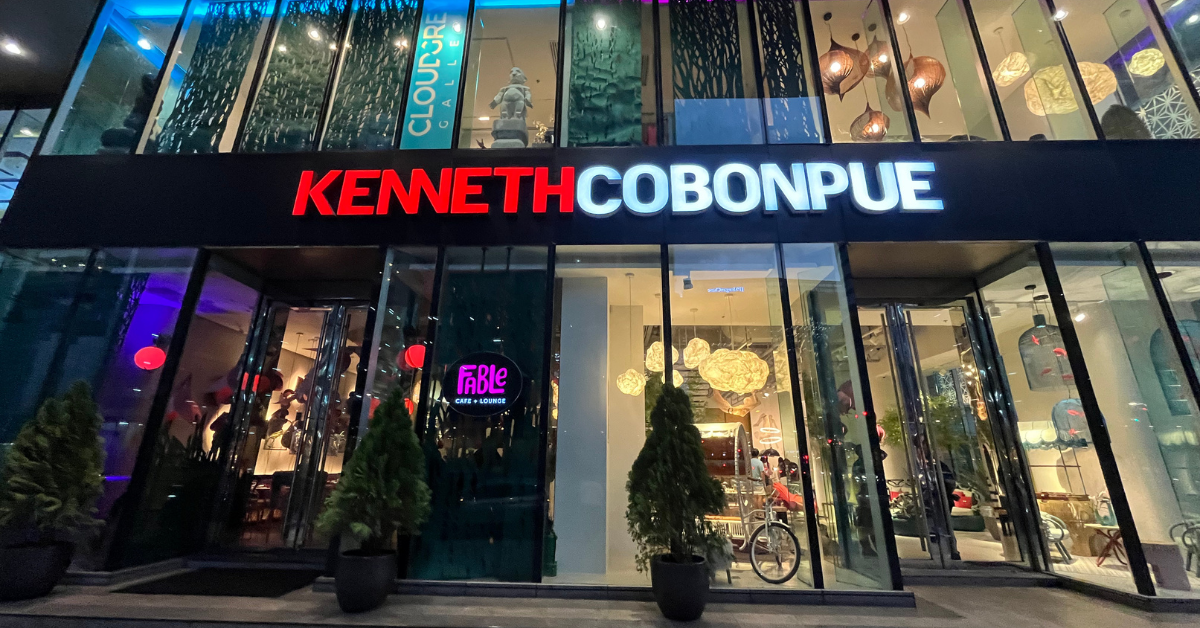
One example is Aurora Restaurant’s transformation, where the rebrand extended far beyond a redesigned logo. The business redefined its dining experience, strengthened its positioning, and aligned its interiors, menu, and customer journey to reflect a more premium identity. The visual refresh became the result of strategic repositioning rather than the starting point.
Consistency Builds Trust Long After Launch
A successful rebrand doesn’t end once new assets are released.
Every customer touchpoint should reinforce the same message from your website and packaging to social media, advertising, and in-store experiences. Consistency helps customers recognize your brand, understand its value, and build trust over time.
When strategy guides every creative decision, businesses avoid fragmented messaging and create a stronger, more memorable brand presence.
What a Strategic Rebranding Process Looks Like
A strategic rebrand isn’t a single creative exercise, it’s a structured process that aligns business objectives with customer expectations before any visual assets are produced. Instead of asking, “How can we look different?” businesses should ask, “How can we become more relevant?”
An effective rebranding process typically includes:
- Brand Audit - Evaluate your current brand perception, strengths, and opportunities for improvement.
- Market & Audience Research - Understand evolving customer behaviors, market trends, and competitor positioning.
- Brand Discovery - Define your brand’s purpose, personality, values, and unique positioning to establish a clear strategic direction.
- Messaging & Visual Identity - Translate your strategy into compelling messaging and a cohesive visual identity that reflects your brand’s promise.
- Launch & Brand Rollout - Introduce your refreshed brand through consistent communication across every customer touchpoint.
When these stages work together, the result is more than just a refreshed look, it creates a brand that’s relevant, recognizable, and built for long-term growth. Rather than treating branding, creative production, content management, and campaigns as separate initiatives, an integrated Marketing 360 framework ensures every marketing effort supports the same strategic direction, creating a seamless brand experience across both online and offline channels.

Rebranding is one of the most significant investments a business can make, but lasting results are never achieved through design alone. A refreshed logo or modern visual identity may capture attention, but without a clear strategy behind it, even the most visually appealing rebrand can struggle to create meaningful business impact.
The brands that stand out are those that invest time in understanding their audience, defining their purpose, and aligning every aspect of their identity before introducing visual changes. By prioritizing the brand discovery phase, businesses reduce costly revisions, build stronger customer trust, and create a brand that remains relevant as markets continue to evolve.
Ultimately, rebranding isn’t about changing how your business looks but it’s about strengthening how people perceive, experience, and connect with your brand. When strategy leads the process, every creative decision has a purpose, and every customer interaction reinforces the same promise. That’s what transforms a rebrand from a cosmetic update into a long-term competitive advantage.
At JG Worldwide, every rebrand begins with strategy. Through an integrated Marketing360 framework, brand development, creative production, and marketing work together to create brands that are not only visually compelling but also built for long-term growth.


.jpg)
.jpg)


.png)


.jpg)

.png)




.png)

.png)


.png)
.png)


.png)
%20(1).jpg)

-min.png)

.jpg)


.jpg)


.png)

.png)

.png)


.jpg)


.jpg)
.png)
.png)