.png)
our blogs
As a Gen Z Marketer, I Think Friendster 2.0 is Innovative But Impossible
What's new
As a Gen Z Marketer, I Think Friendster 2.0 is Innovative But Impossible
Maureen Bautista
We’re only 5 months into the year, and 2026 has already landed us the ultimate plot twist: Friendster has come back from the dead.
But before millennials get excited about recovering those low-res photos from 2005 (spoiler: you can't), you should know that Friendster 2.0 is less of a nostalgia trip and more of a digital intervention.
As a marketer, my job is to find you online, connect with your vibe, and craft digital experiences that earn your attention. But Friendster 2.0 feels like a beautiful, private sanctuary where brands simply aren’t invited.
Social Media, Stripped Bare
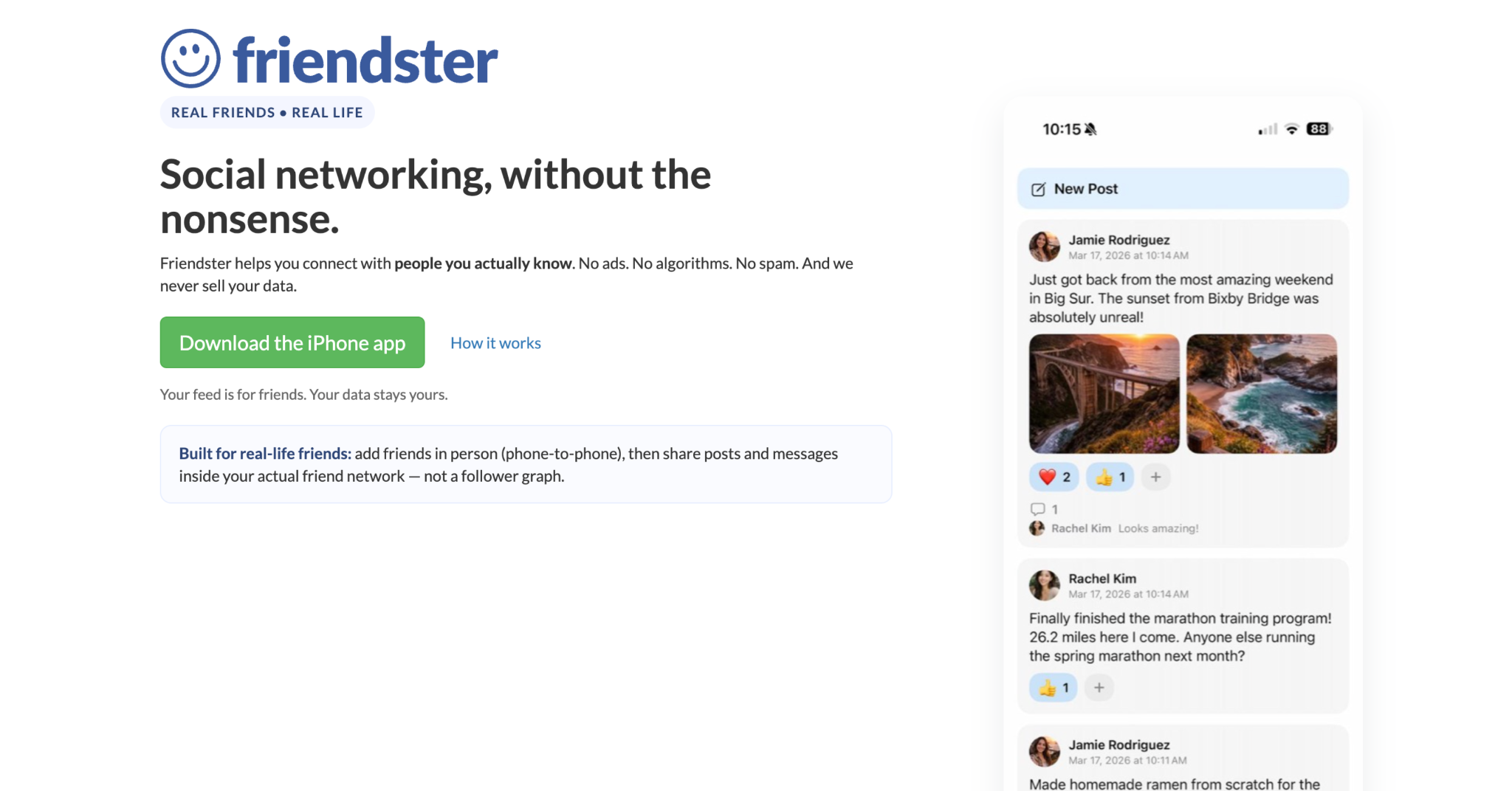
The pitch for Friendster 2.0 is radical: “Social networking, without the nonsense.”
When you open it, there’s nothing. There are no suggested friends, no viral clips of someone’s cat, no algorithms, and no ads. Adding a friend requires you to physically stand in front of them and tap your iPhones together like some sort of digital handshake.
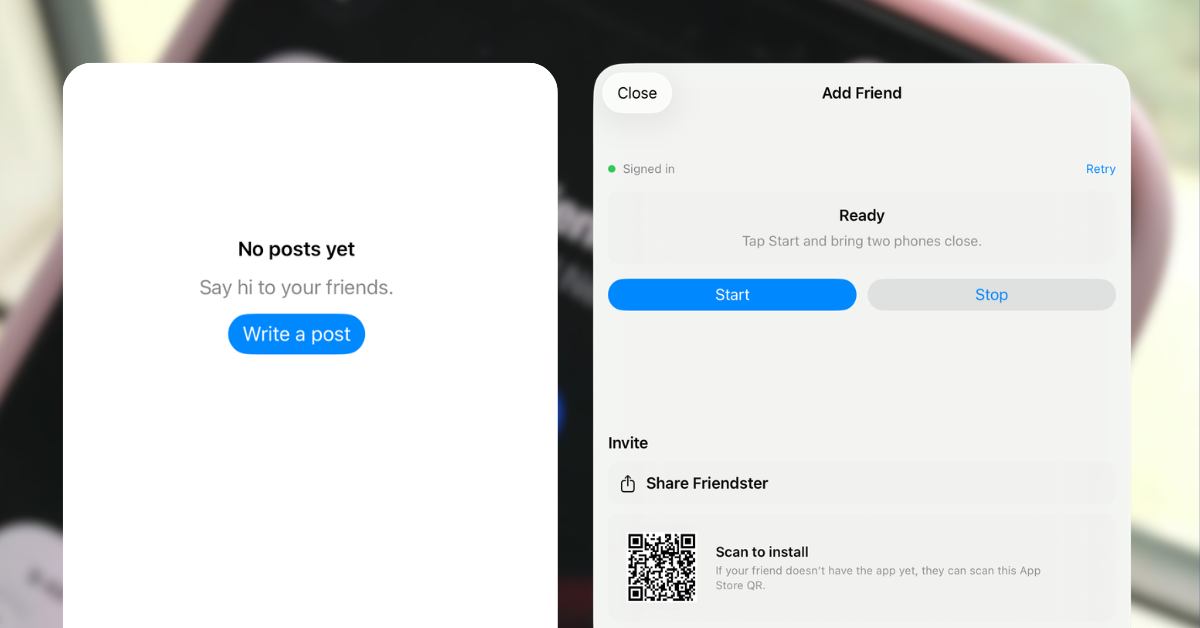
It’s the antithesis of today’s social media. With the internet filled with AI bots and rage-farming, Friendster 2.0 is trying to curate intimacy.
Putting an Expiration Date on Friendship
But here’s the kicker that makes Friendster 2.0 so controversial. If you don’t meet a friend in person within a year, confirmed by another phone tap, your connection on the app begins to fade and eventually disappears.
The app is effectively telling you: "If you have not made time for this person in real life, you are not actually friends."
I respect the sentiment behind the “Touch Grass” philosophy, but this is where the reality becomes impossible. My mother’s friends are scattered across different countries, yet they still share their milestones and stay present in each other's lives through social media.
According to Friendster’s logic, they’re strangers, declaring that low-maintenance friendships don't count. By requiring physical proximity, it ends up penalizing the very people looking for comfort and connection in an incredibly busy, globalized world.
A No-Fly Zone for Brands
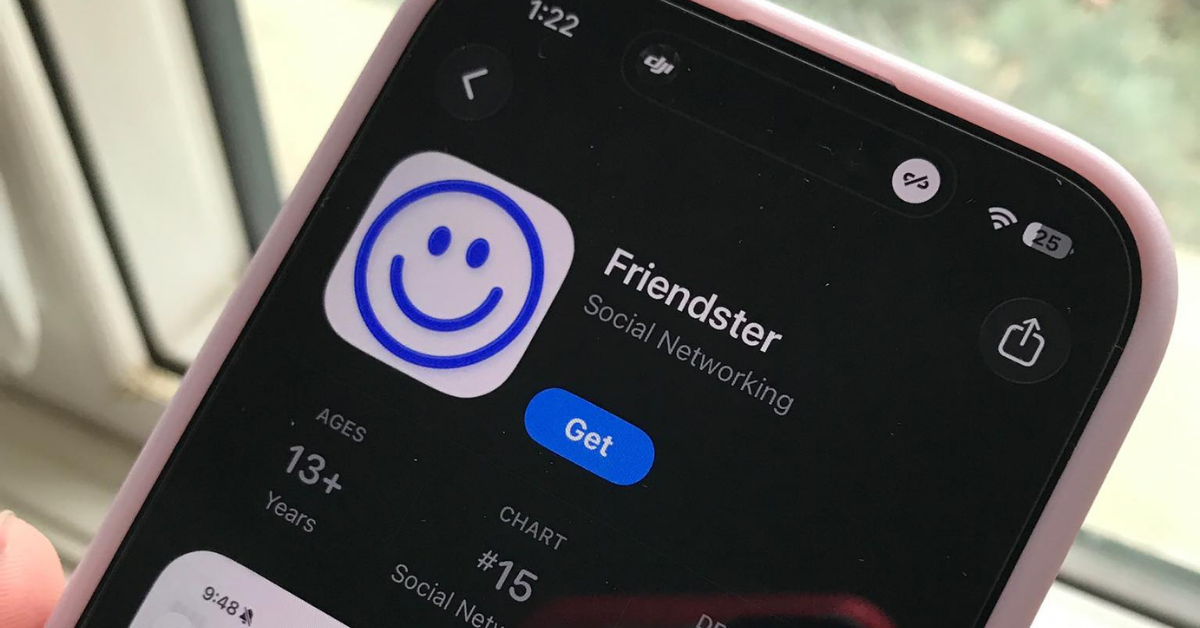
But this structural choice doesn’t just alienate long-distance friends. It completely locks out marketers and businesses:
The Party Crasher: For users, a quiet, ad-free space is a dream. People are joining this app specifically to escape constant selling and digital noise. Granted, I can see how marketers will try to hack the system, like sending brand ambassadors to pop-ups in BGC to physically tap phones with people.
But remember that one-year expiration rule? Forcing your way into a private sanctuary just to get booted a year later won’t look clever; it will just feel like spam.
The Guessing Game: Modern marketing lives and dies by numbers. We need to know who saw a post, how long they stayed, and if they liked it. Because Friendster 2.0 has zero tracking or public data, it turns our job into a massive guessing game. You simply cannot justify spending a budget if you are flying completely blind.
The Death of the Influencer Economy: UGC creators thrive on discoverability—one great video can break out of their friend group, hit the algorithm jackpot, and make them famous overnight. But in Friendster 2.0, the whole concept of "going viral" disappears when your reach is locked to the people right in front of you. Marketing here would be similar to word-of-mouth—generally more trusted, but terribly slow for a brand that wants to grow at TikTok or Instagram speeds.
Using Friendster 2.0 as a marketer wouldn’t just be a puzzle—it would be a total headache. We thrive on data, viral trends, and huge communities. Friendster 2.0 intentionally kills all three.
Will "Boring" Be the New Cool?
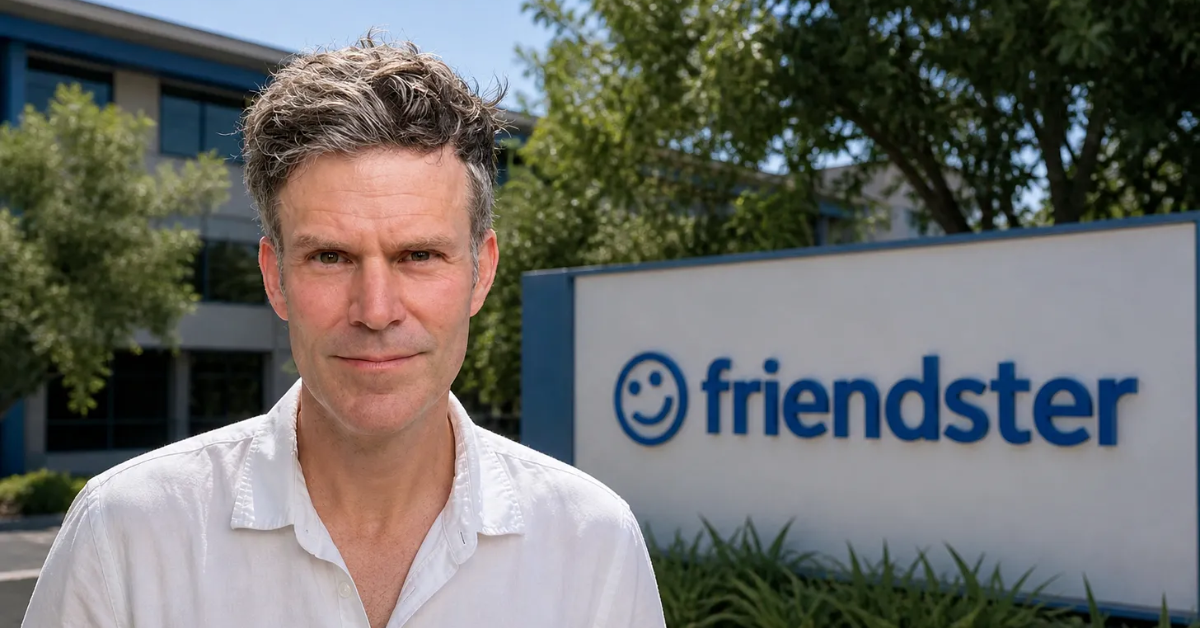
Mike Carson, the new CEO of Friendster 2.0, has successfully designed the ultimate anti-marketing app. It’s a total dead end for modern business—and that’s exactly the point.
Unsurprisingly, online reviews from Filipinos (arguably the most chronically online people on Earth) are a mixed bag. Some are frustrated that it’s only available on Apple, while others label it “boring” because it lacks the charm of the 2002 original.
Yet, a quiet minority of Millennials say this is exactly what they need—a digital space away from the endless noise, built purely for their absolute closest, real-life inner circle. Despite my sentiments, I agree this is nothing short of innovative.
But for the rest of us Gen Zs (and the iPad kids trailing behind us), TikTok and Instagram aren’t going anywhere. While I do advocate for a good digital detox, I’m not ready to give up learning from and connecting with people across the globe who I may never get to see in real life.
It is a fascinating, high-stakes experiment aiming to cure the loneliness epidemic by forcing us back into the physical world. But I can't help but fear it might do the exact opposite, highlighting our isolation by giving us a countdown of exactly who we failed to see this year.
As both a marketer and a social media user, I’m genuinely intrigued if Friendster 2.0 will trigger a long-term shift in how we connect, or if it's just a temporary wave of hype. Only time will tell.
#Friendster #JGWInBGC #MarketingInBGC #MarketingAgencyInThePhilippines #ModernMarketing

.jpg)
.jpg)

.png)


.jpg)
.png)

.png)

.png)


.png)
.png)


.png)
%20(1).jpg)

-min.png)

.jpg)


.jpg)

.png)
.png)
.png)


.jpg)

.jpg)
.png)
.png)