our blogs
How to Allocate Your Marketing Budget for Maximum Omnichannel Impact
What's new

How to Allocate Your Marketing Budget for Maximum Omnichannel Impact
Joie Barcarse
Every quarter, business owners and marketing leaders need to decide how to distribute their marketing budget. Should they invest more in Meta ads, produce additional TikTok content, or pay for an EDSA billboard? It is easy to prioritize the marketing channel that appears to be getting the most attention. However, putting too much of the budget into one area can limit overall results and reduce the effectiveness of the entire marketing strategy.
An effective omnichannel marketing strategy relies on more than just investing in visible channels. It also requires funding the work behind the scenes, such as content creation, lead nurturing, and campaign tracking. Rather than focusing on which channel deserves the biggest share of the budget, businesses should ensure that every marketing investment works together to create a consistent and effective customer experience.
A Smarter Way to Allocate Your Quarterly Marketing Budget
A strong marketing budget works like a well-built house. Every visible part needs a solid foundation to support it. Instead of putting most of the budget into one marketing channel, businesses should spread their investment across three key areas: digital marketing, content production, and offline marketing. Each one plays an important role in helping marketing campaigns succeed.
The businesses that get the most from their marketing investment are not always those with the biggest budgets. They are the ones that distribute their resources strategically, ensuring every campaign is backed by the content, technology, and customer management systems that drive long-term success.
Before finalizing your next quarterly marketing budget, take the time to evaluate where every peso is being invested and, more importantly, whether each investment supports your overall marketing goals. A balanced allocation across digital marketing, content creation, and offline initiatives helps every channel work together more effectively. Growing your business takes more than ambition. It also takes the right strategy. Learn how strategic marketing can help your brand expand from an MSME to the global market.
Digital Marketing
Digital marketing often gets the largest share of the budget because it helps attract website traffic, generate leads, and increase sales. This may include:
- Search engine optimization (SEO)
- Pay-per-click (PPC) advertising
- Social media marketing
- Email marketing
- Website optimization
These channels help businesses connect with customers at different stages of the buying journey. However, they can only perform well if they are supported by quality content and a well-optimized website.
Content Production
Content production is the foundation of every successful marketing campaign. It gives businesses the materials they need to engage their audience and support their marketing efforts. Blog articles can improve search rankings, videos capture attention, and graphics make content more engaging.
A content production budget may include:
- Blog writing
- Video production
- Graphic design
- Photography
- Social media creatives
- Downloadable resources, such as e-books and guides
Unlike paid ads that stop delivering results when the budget runs out, quality content can continue bringing value over time. That's why investing in content often provides long-term returns.
Offline Marketing
While digital marketing continues to grow, offline marketing is still valuable, especially for businesses that want to build local awareness and strengthen relationships with customers.
Offline marketing may include:
- Business events
- Trade shows
- Printed marketing materials
- Outdoor advertising
- In-store promotional materials
When used together with digital marketing, these efforts create a more consistent brand experience and help customers recognize and remember your business.
A well-balanced quarterly marketing budget does not focus on just one area. Instead, it invests in digital marketing, content production, and offline marketing because these three work together to create stronger and more effective marketing campaigns.
A Framework for Smarter Budget Allocation
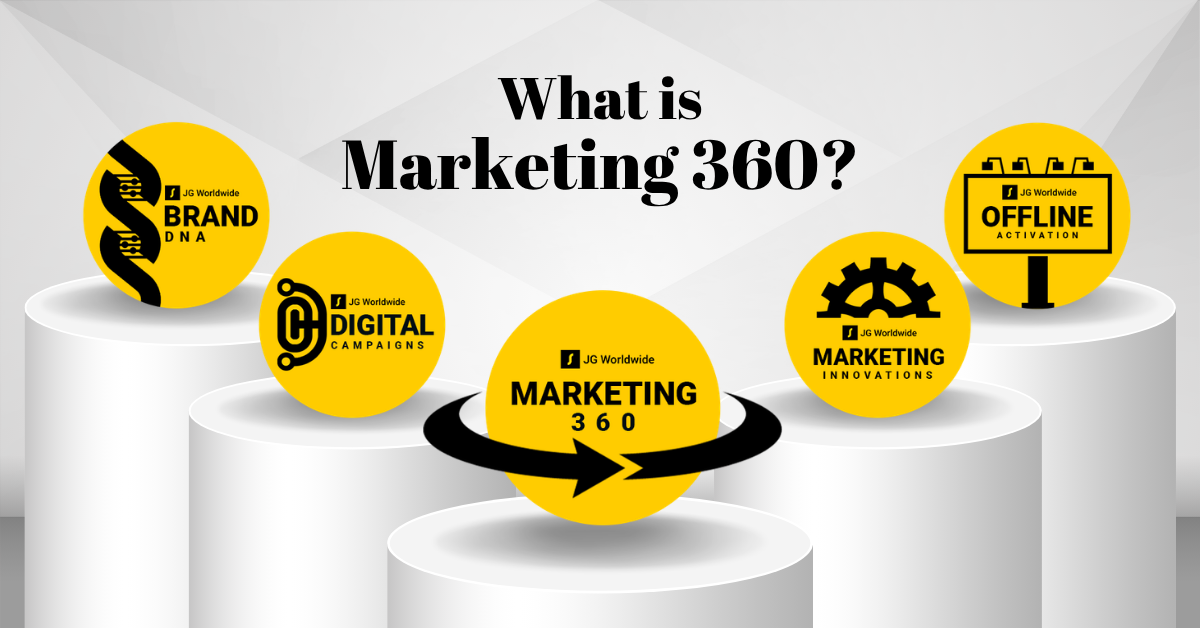
At JG Worldwide, we believe effective marketing comes from an integrated strategy rather than disconnected campaigns. Our Marketing 360 framework helps businesses allocate resources across digital marketing, content creation, offline initiatives, CRM, and performance measurement to build a cohesive marketing ecosystem.
Instead of chasing short-term trends or concentrating most of the budget on a single channel, Marketing 360 promotes a balanced approach where every marketing effort supports the next. This creates stronger brand visibility, delivers better customer experiences, and helps businesses get more value from every marketing peso.
Marketing success is not about spending more. It is about making every investment count. At JG Worldwide, we help businesses turn their marketing budgets into strategies that drive real and lasting results. By combining digital campaigns, content creation, offline marketing, and customer engagement into one integrated approach, we make sure every effort works toward your business goals. If you're ready to build a smarter marketing strategy that delivers long-term value, visit JG Worldwide and connect with our team.