How to Extract Consumer Insights Before Launching a Digital Campaign


A campaign can have great visuals, clever copy, and a well-planned media budget yet still miss its audience. The problem often starts before production: building a campaign around assumptions instead of understanding what consumers actually need.
Consumer insights research helps brands identify what their audience cares about, what influences their decisions, and which messages are most likely to resonate. Here are practical ways to gather those insights before launching your next digital campaign.
What Is Consumer Insights Research?
Consumer insights research goes beyond identifying a target market by age, location, or income. It explores the motivations, preferences, behaviors, and challenges behind consumer decisions.
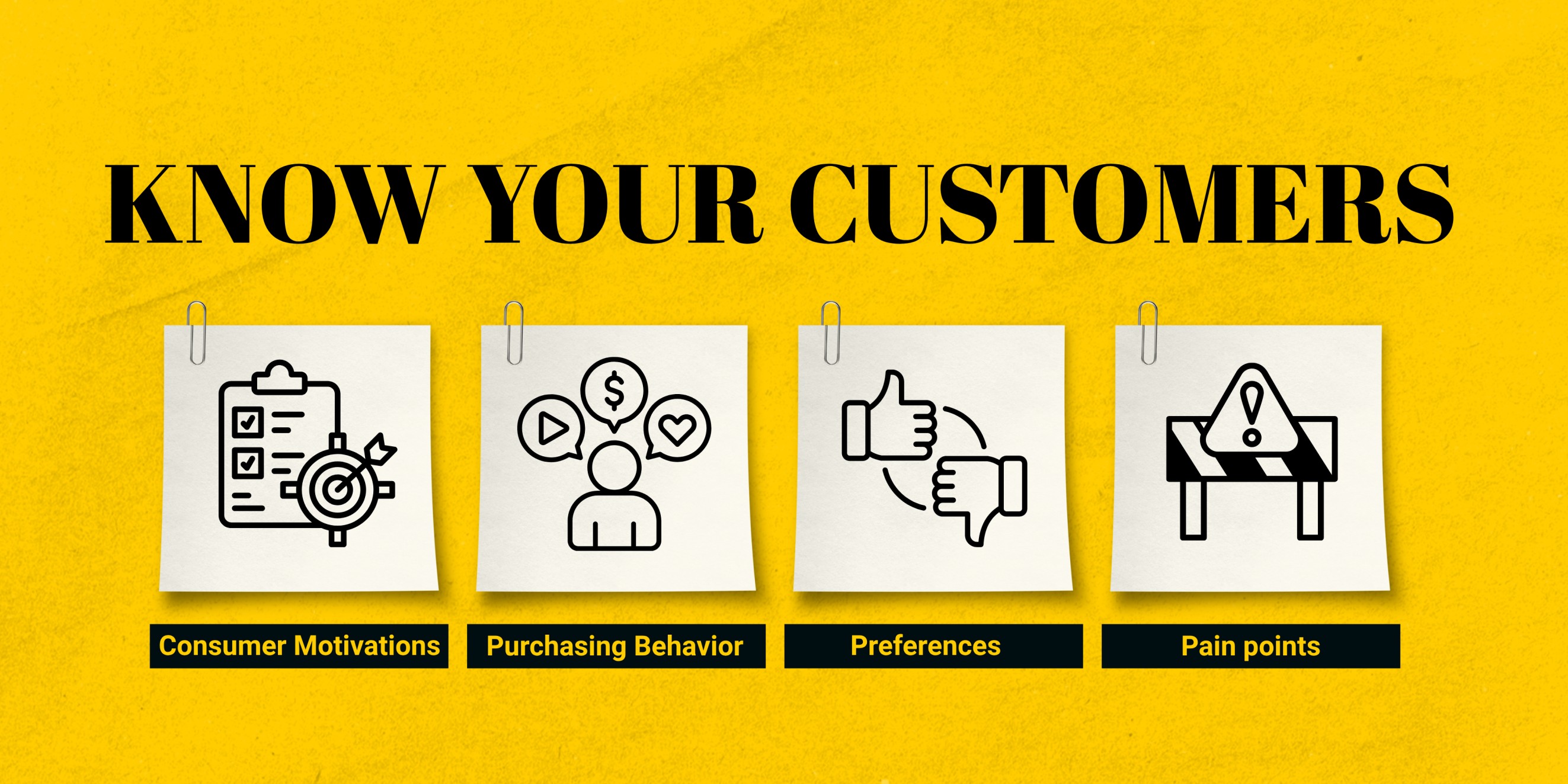
Before developing your campaign, establish what you need to learn:
- Who experiences the problem your product or service addresses?
- What influences their purchasing decisions?
- Which concerns or barriers might prevent them from buying?
- Where do they discover brands and seek recommendations?
These questions help make market research a practical starting point for understanding potential customers and identifying opportunities for growth.
Three Ways to Gather Audience Insights Before Launch
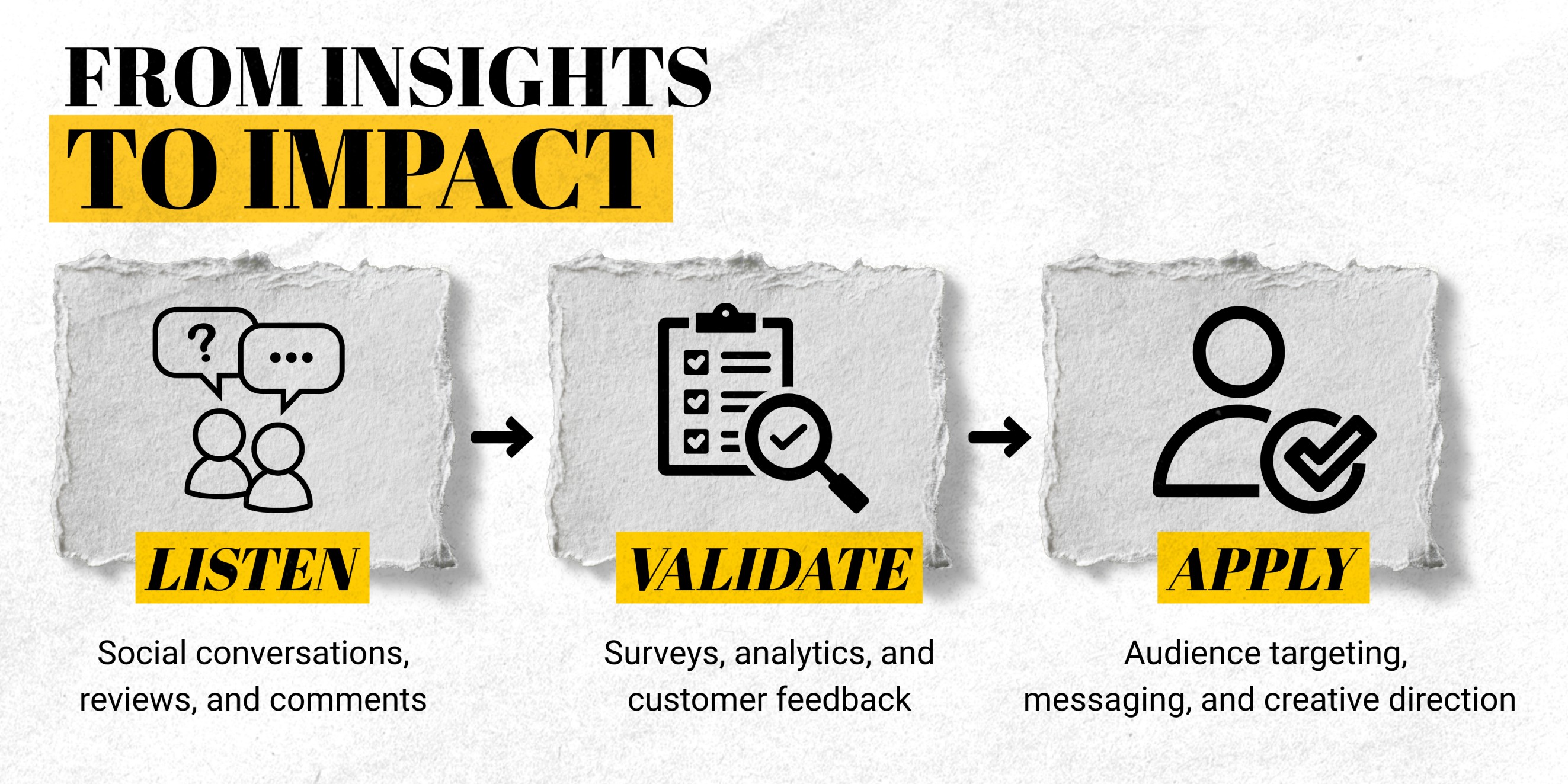
1. Listen to conversations on social media
Social listening helps uncover what consumers naturally say about your category, competitors, and relevant topics. Review comments, public discussions, product reviews, and frequently asked questions to identify recurring concerns and language.
For example, if consumers repeatedly ask whether a product suits their budget or lifestyle, those questions may reveal what your campaign needs to address. These observations can also help identify opportunities for more focused niche marketing.
2. Use short surveys and direct feedback
Surveys can validate patterns found through social listening. Keep questions focused on preferences, purchase motivations, and common challenges. Ask existing customers for feedback, or reach relevant respondents who match your intended audience.
Avoid leading questions that encourage people to agree with your assumptions. Instead of asking whether consumers like your product, ask what they value most when choosing products in your category.
3. Study audience behavior and campaign data
Existing website analytics, search trends, customer inquiries, and past campaign results can reveal what attracts attention and where potential customers lose interest. Combine these signals with qualitative feedback to understand not just what people do, but why.
These findings can inform decisions about messaging, content formats, audience segmentation, and campaign objectives.
Turn Research Into a Smarter Digital Campaign Strategy
Research only becomes valuable when it influences execution. Use your findings to refine your target market, choose relevant platforms, develop stronger creative concepts, and address real consumer concerns.
JG Worldwide’s Marketing360 connects brand and market research with audience insights, communication strategy, and launch planning. This approach helps align campaign decisions before creative production and media execution begin.
Ultimately, a strong digital campaign strategy in the Philippines starts with understanding the people you want to reach. By grounding decisions in evidence rather than assumptions, brands can create more relevant campaigns and make better use of their marketing resources.
Need help translating audience insights into a campaign plan? Connect with JG Worldwide to discuss your brand’s marketing needs.
Raeneil Inocencio
Senior Copywriter
Raeneil is fascinated by human behavior, compelling stories, and the small details that turn ordinary moments into something worth remembering. Drawn to curiosity and observation, she believes the most interesting ideas are often the ones that leave more questions than answers.