Event Marketing.
Make the moment matter.
Plan the brand experience around your event, from the first invitation to the conversation that continues afterwards. Create a connected journey people can recognize, join, and remember.
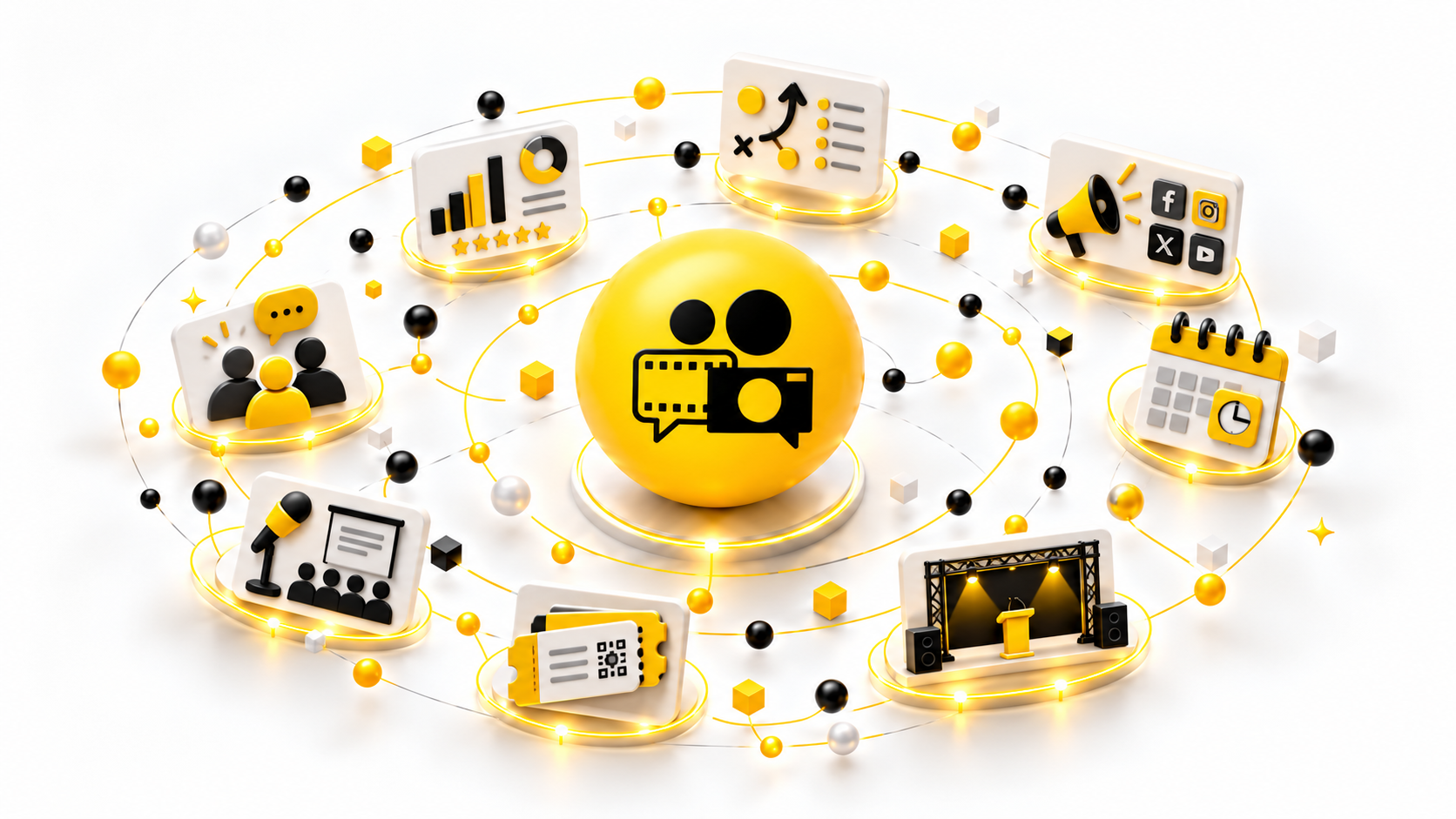
An event is a moment, but the relationship continues.
Event marketing begins before people enter a room and continues after the last session ends. It brings strategy, identity, communication, and experience together so an event has a clear reason to exist and a memorable way to express it. Whether the format is a launch, conference, activation, gathering, or community moment, the event should feel connected to the brand and useful to the people attending.
An event can create a kind of attention that a single post cannot. People can see the environment, hear the message, meet others, ask questions, and experience the business directly. That opportunity also creates responsibility. Details that seem small—from the invitation and registration flow to the way guests are welcomed—shape how people understand the organization behind the event.
Start with a reason to gather.
Event strategy clarifies what the event needs to accomplish. Is it introducing a product, building relationships, sharing knowledge, celebrating a community, generating leads, or creating a meaningful brand experience? The answer affects the audience, venue, message, format, schedule, and ways success can be reviewed. A clear purpose keeps the event from becoming a collection of activities without a useful through-line.
Audience understanding is equally important. Different people attend for different reasons, and they need different information before they decide to join. A useful event plan considers what will make the invitation relevant, what questions might prevent attendance, and what experience will reward the time people invest. The goal is to make the decision to participate feel clear and worthwhile.
Make the event recognizable.
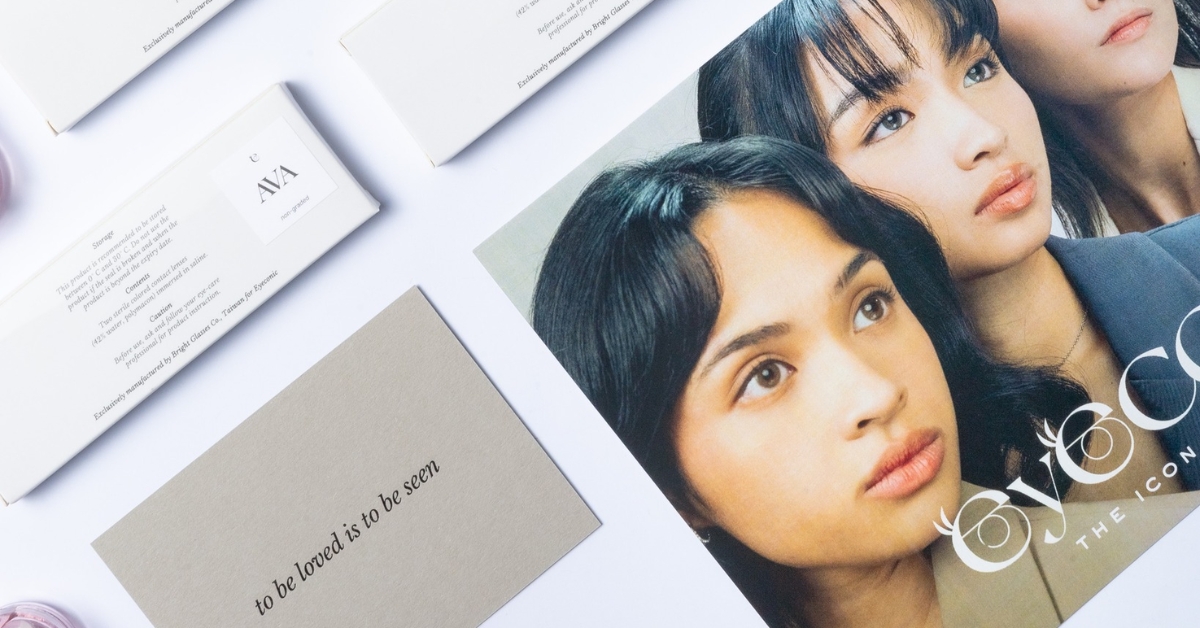
Event identity gives the gathering its own expression while keeping it connected to the wider brand. It can include a visual direction, typography, color use, key message, invitation language, signage, presentation graphics, staff touchpoints, and content for digital channels. A consistent identity helps guests know they are in the right place and gives the event a memory that can travel beyond the venue.
Pre-event engagement turns awareness into participation. It can include announcement content, registration communication, speaker or program stories, useful preparation notes, reminders, and invitations for people to share what they are looking forward to. The most effective messages do not only repeat the date. They explain why the event matters and give people a reason to make space for it.
Design the live experience with care.
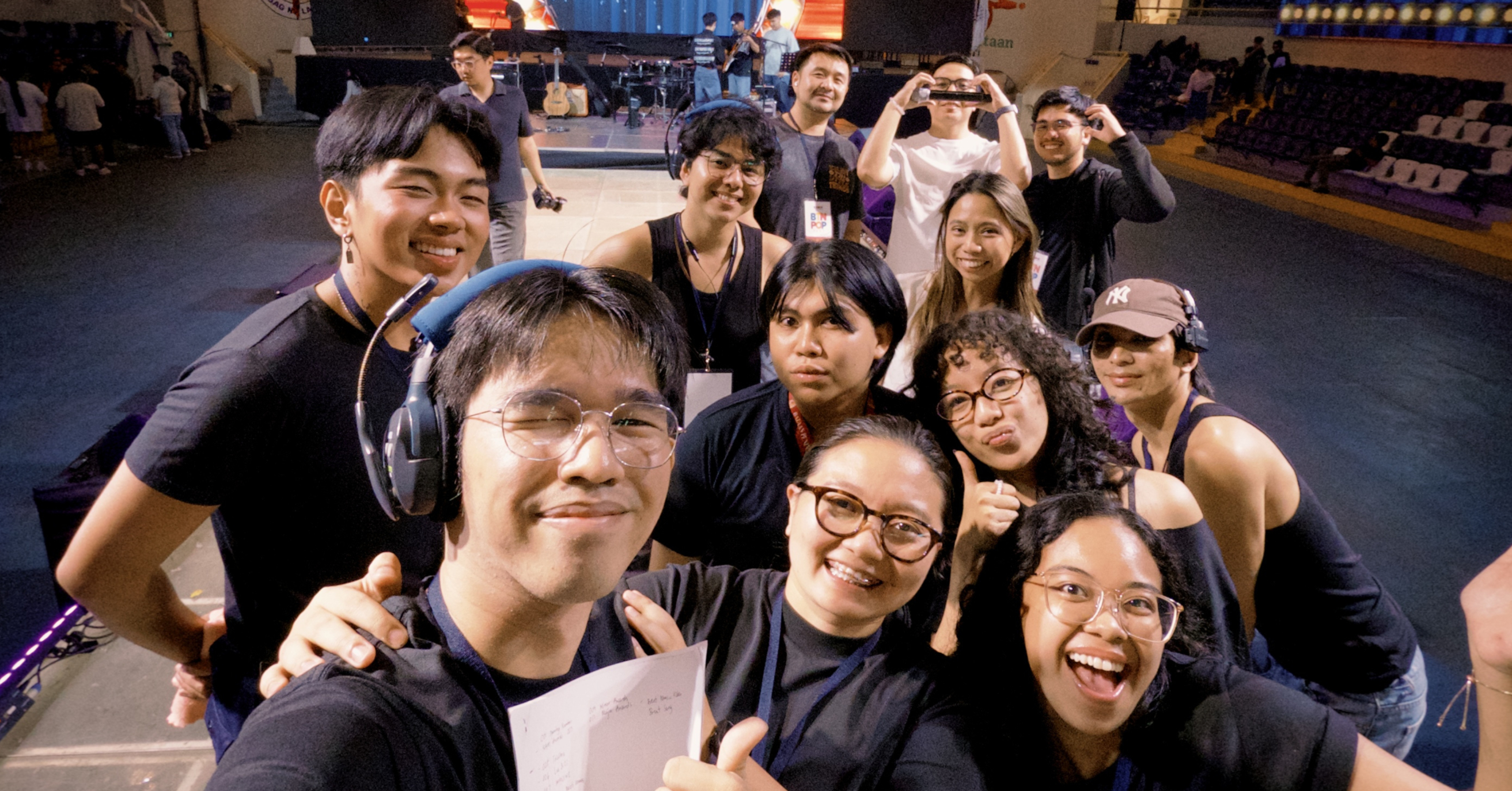
Event proper management is where the plan meets real people and real conditions. It involves coordinating the run of show, speakers, crew, registration, materials, spaces, content, and the small transitions guests feel even when they do not notice them. Clear roles and contingency thinking can help the team respond calmly when timing changes or an unexpected issue appears.
The live experience should also give people opportunities to participate. A good event is not only a sequence of announcements. It may invite questions, conversation, demonstrations, collaboration, or a moment of shared attention. The format should support the intended relationship, whether that means helping a customer understand an offer, helping a community feel seen, or helping partners find a useful reason to continue the conversation.
Keep the relationship moving afterwards.
Post-event retention turns the event into more than a single memory. Timely thanks, useful recaps, photos, recordings, resources, feedback requests, and clear next steps can help people reconnect with the purpose of the event. Follow-up should feel like a continuation of the experience rather than a sudden change into a sales message.
Who is event marketing for?
This service is for organizations planning an event that needs a stronger brand presence, clearer audience communication, or more coordinated delivery. It can support a first-time gathering, a recurring event series, a launch, an internal or partner experience, or a public activation. It is especially helpful when multiple teams and suppliers need one shared direction.
Why it matters, and what it can deliver.
Considered event marketing can deliver a clearer reason to attend, a more recognizable experience, smoother communication around the event, and a stronger bridge to what happens next. Depending on scope, outputs may include an event strategy, identity system, invitation and registration assets, pre-event content, live coordination materials, and post-event follow-up.
Results should be reviewed against the event's purpose: attendance quality, participation, audience response, useful conversations, follow-up actions, and the strength of relationships created. No event can control every outcome, but a connected experience gives the people involved a clearer reason to remember the brand and stay in touch.
What's included.
From the first announcement to post-event follow-through, explore the parts that help an event feel intentional before, during, and after it happens.
Event Strategy
Define the purpose, audience, experience, and success signals that should guide the event and its communications.
Event Identity
Create a recognizable visual and verbal system for invitations, spaces, materials, signage, and digital touchpoints.
Pre-Event Engagement
Build anticipation and give people useful reasons to register, attend, participate, or share the event.
Event Proper Management
Coordinate the live experience, people, content, and details that make the event feel considered in the moment.
Post-Event Retention
Continue the conversation with follow-up content, appreciation, useful next steps, and ways to keep people connected.