Creative Campaign Creation.
Turn one strong idea into a connected campaign.
Connect brand research, audience insight, objectives and creative thinking in one coordinated plan, from first brief to campaign launch.

A campaign needs one clear direction.
Creative Campaign Creation turns a business goal into an idea people can recognize across different moments and channels. A campaign is more than a set of matching posts. It gives the team a clear audience, a reason for the message, a central thought, and a plan to reach people. When those decisions work together, the campaign feels coherent from its first introduction through launch and follow-up.
The process begins by understanding the challenge. A business may be introducing an offer, entering a market, refreshing how a product is understood, or giving an existing audience a reason to pay attention again. The strongest direction responds to that actual situation, not to a format chosen because it is popular. Research and creative exploration work together so the final idea can be distinctive and usable.
Find the problem worth solving.
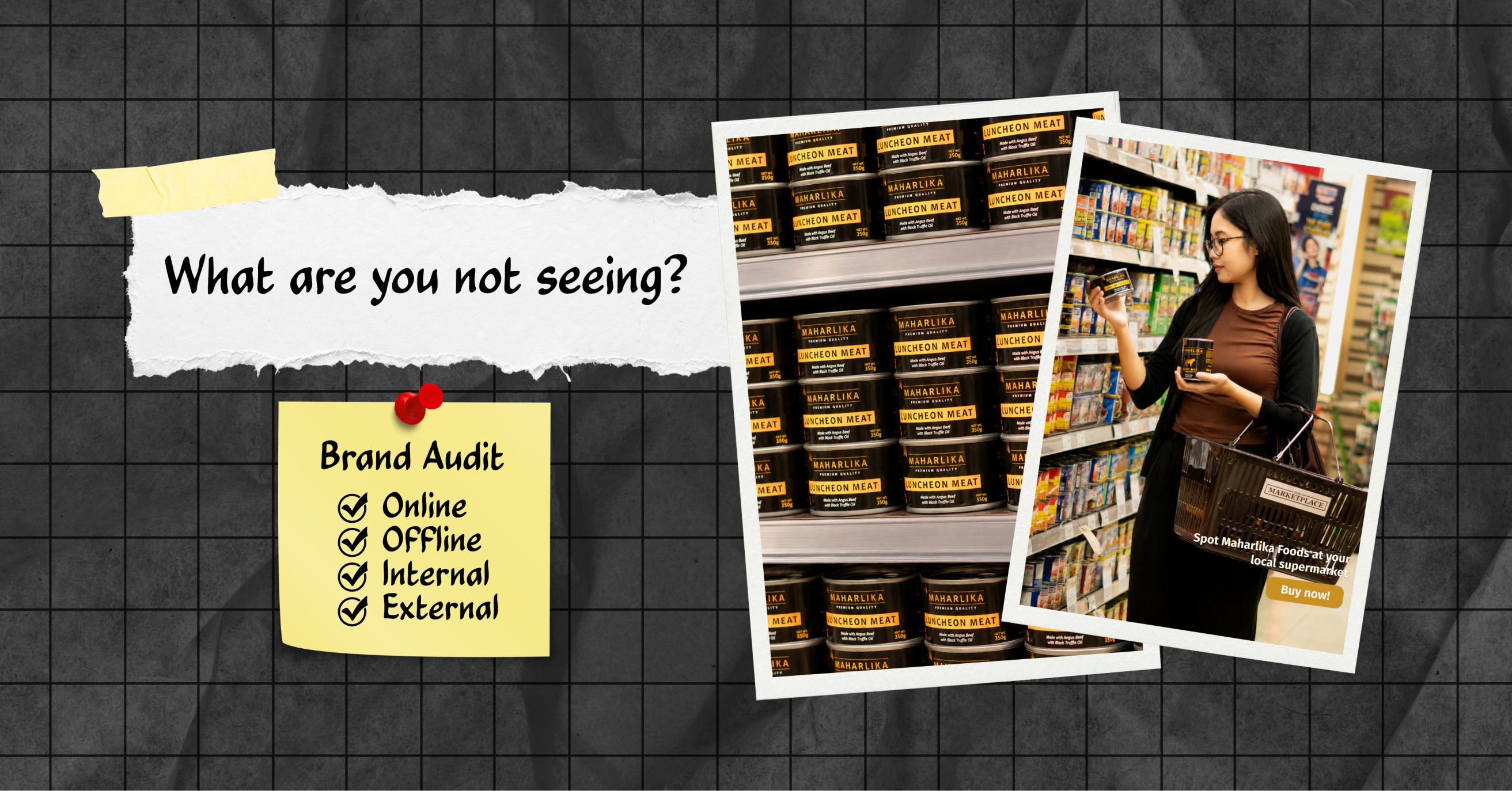
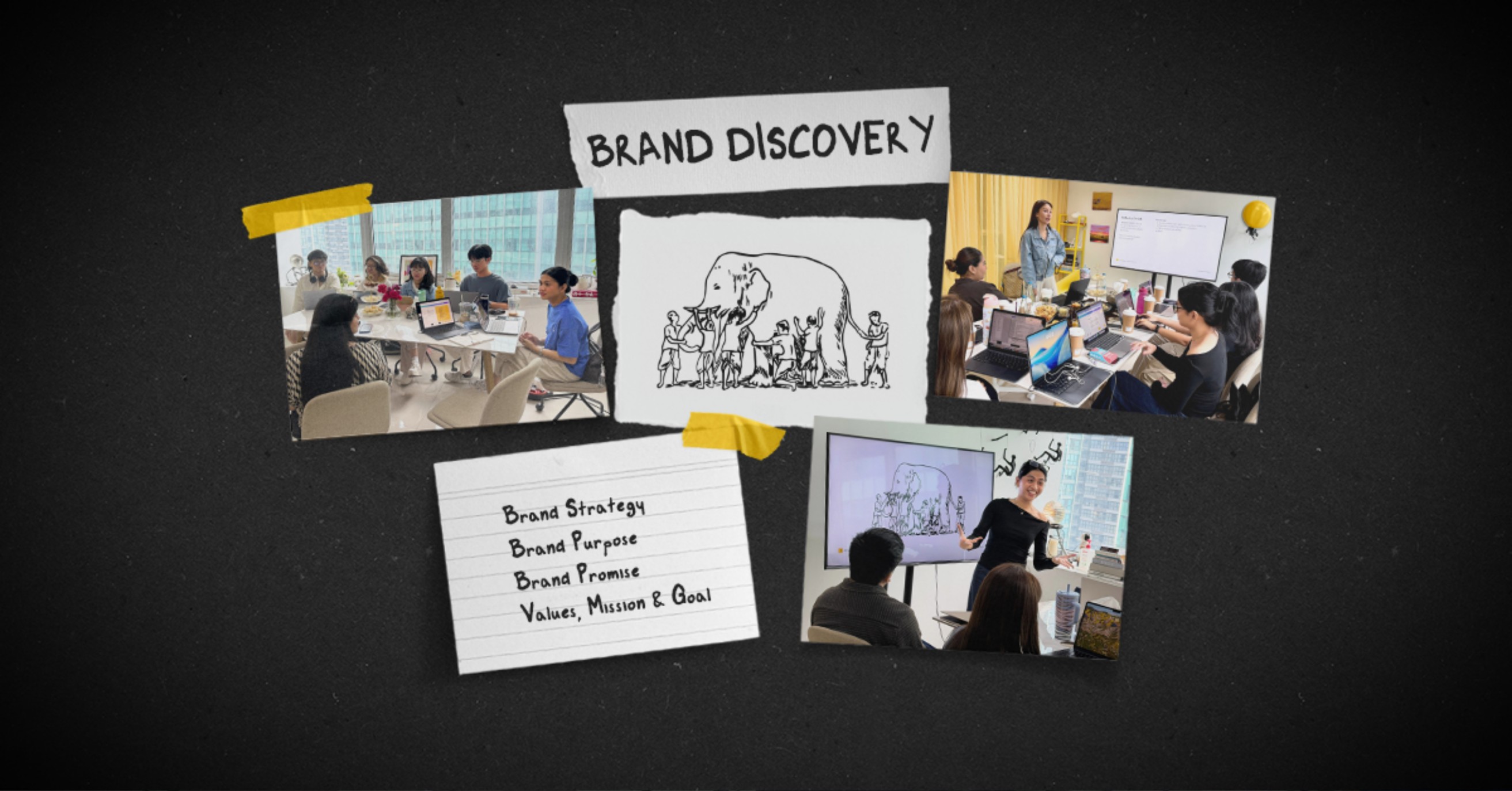
Brand discovery and research reveal what the business wants to change, how people currently see it, and what they need to know before they act. The team may study customer questions, existing marketing, competitors, category habits, and the strengths already inside the brand. These findings create a starting point grounded in evidence rather than a collection of assumptions.
Market analysis adds wider context. What are people comparing? Which messages are already common? Where might the brand have a more helpful or memorable perspective? A SWOT analysis can organize strengths, weaknesses, opportunities, and threats. Its value is not the worksheet itself but the decisions it makes possible. A campaign cannot speak to everyone or solve every business challenge at once.
Set an objective and choose an audience.
A SMART objective translates a broad ambition into something the team can plan and assess. Depending on the brief, the goal may involve awareness, enquiries, participation, consideration, or another defined action. It helps guide creative choices and measurement, while leaving room to learn once the work is live. It is a decision-making tool, not a promise of guaranteed numbers.
Audience segmentation makes the message more relevant. Different groups can have different motivations, barriers to action, and preferred ways of hearing from a brand. Identifying those differences helps the team decide who the campaign is for, what those people need to understand, and where to meet them. It also stops one generic message being stretched across every channel without purpose.
Build an idea people can remember.
Communication strategy connects the objective, audience, and brand into a focused message. It clarifies what to say, why it matters now, and how the story should sound. From there, the BIG Idea becomes the organizing thought that can support multiple executions without losing its meaning. A strong idea is simple enough to travel but rich enough to express through visuals, words, experiences, and content.
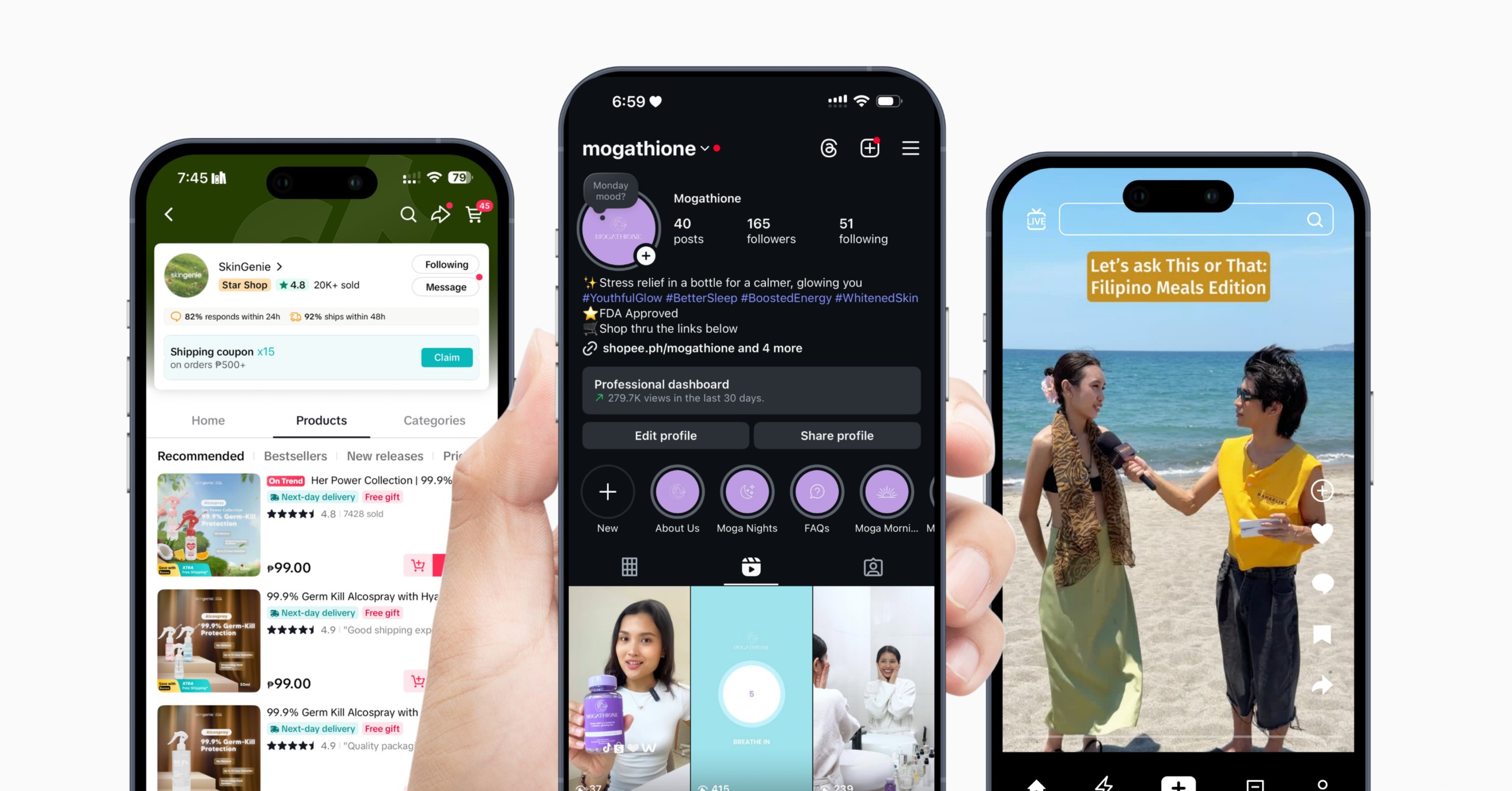
A campaign tagline can make that idea easier to recognize and recall. It should support the broader message rather than carry the whole strategy by itself. Creative direction can then inform examples for social, video, photography, events, websites, or other touchpoints. Each expression should suit its placement while still feeling part of the same campaign. The goal is consistency with range, not the repetition of one asset in several sizes.
Plan the launch and what follows.
Launch strategy gives the campaign a deliberate sequence. It identifies the moments, channels, responsibilities, assets, and approvals needed to bring the idea to life. Some campaigns begin with a teaser; others need a direct explanation from day one. The plan should reflect the audience, timing, available resources, and the action the business wants people to take. It should also consider what happens after the first announcement.
Campaigns benefit from checkpoints. The team can review whether the message is understood, which creative formats are useful, and whether the next phase should change. Listening to responses does not mean following every small fluctuation. It means protecting the central idea while improving distribution, clarity, and execution where there is a good reason to do so.
Who is this service for?
Creative Campaign Creation helps businesses preparing a launch, entering a new market, repositioning an offer, or trying to connect several marketing activities around one direction. It can also help teams with plenty of isolated content ideas but no shared story. The scope may focus on strategy and concepts or become the foundation for production and activation planned separately.
What can it deliver?
The result is a campaign framework the team can use: research findings, a defined objective, priority audiences, communication strategy, central creative idea, tagline direction, and launch plan. Exact deliverables depend on the brief and agreed scope. Good planning makes later creative work more focused, gives stakeholders clearer criteria for feedback, and creates a better basis for assessing results. It cannot guarantee reach or sales, but it gives the brand a coherent way to earn attention and move people toward a meaningful next step.
What's included.
Explore the research, strategy and launch decisions that give a campaign its direction.
Brand Discovery/Research
Explore the brand, audience, category and existing perceptions to identify the challenge the campaign should address.
Communication Strategy
Define the core message, tone and role of each channel so the campaign speaks with one clear voice.
SMART Objective
Set a specific, measurable, achievable, relevant and time-bound objective to guide decisions and review.
SWOT Analysis
Organize strengths, weaknesses, opportunities and threats to surface useful strategic choices.
BIG Idea
Develop the central creative thought that connects different campaign moments and executions.
Campaign Tagline
Shape a memorable verbal expression that supports the campaign idea and brand message.
Market Analysis
Review category patterns, competitor communication and market context before choosing a distinct direction.
Audience Segmentation
Identify priority groups and the motivations or barriers the campaign needs to address.
Launch Strategy
Plan channels, timing, assets, responsibilities and follow-up for a coordinated release.