Content Management.
Keep your audience engaged.
Build a content system that gives your audience a reason to return. Connect research, strategy, creation, publishing, and paid distribution around what your business needs to say.

Content should move the conversation forward.
Content management is the ongoing work of making your business easier to discover, understand, and remember. It is not a pile of posts produced to fill a calendar. It is a way to share useful ideas, answer real questions, show how you work, and create a steady relationship with the people who may one day choose you.
The best content begins with relevance. Your audience has a situation, a need, a curiosity, or a decision in front of them. Your brand has knowledge, experience, products, and a point of view that can help. Content connects those two sides in a form people can actually use, whether that is a short social post, a helpful article, a campaign asset, a video, an email, or a clear landing page.
Start with understanding.
Content research looks at the audience, category, competitors, existing channels, and conversations around your offer. It can reveal the language people use, the questions they keep asking, and the subjects where your business has something meaningful to contribute. It also helps distinguish between content that looks active and content that has a job to do.
Strategy turns those observations into a workable system. It defines the themes you want to own, the formats that fit your resources, and the channels where your audience is most likely to pay attention. It can also map content to stages of the customer journey: introducing a problem, explaining an approach, building trust, answering objections, and making the next step feel clear.
Make consistency easier to maintain.
Content creation brings the strategy into the real world. The work may include writing, design, photography, video, editing, repurposing, and simple content packages that can be adapted for different placements. A consistent brand voice and visual language help people recognize your work quickly, while a useful editorial idea gives them a reason to stay with it.
Consistency does not mean repeating the same message. It means showing up with a recognizable point of view while allowing the content to respond to new questions, moments, and opportunities. A good content system leaves room for planned campaigns and timely reactions, with a clear review process so quality does not depend on last-minute decisions.
Publish, listen, and improve.
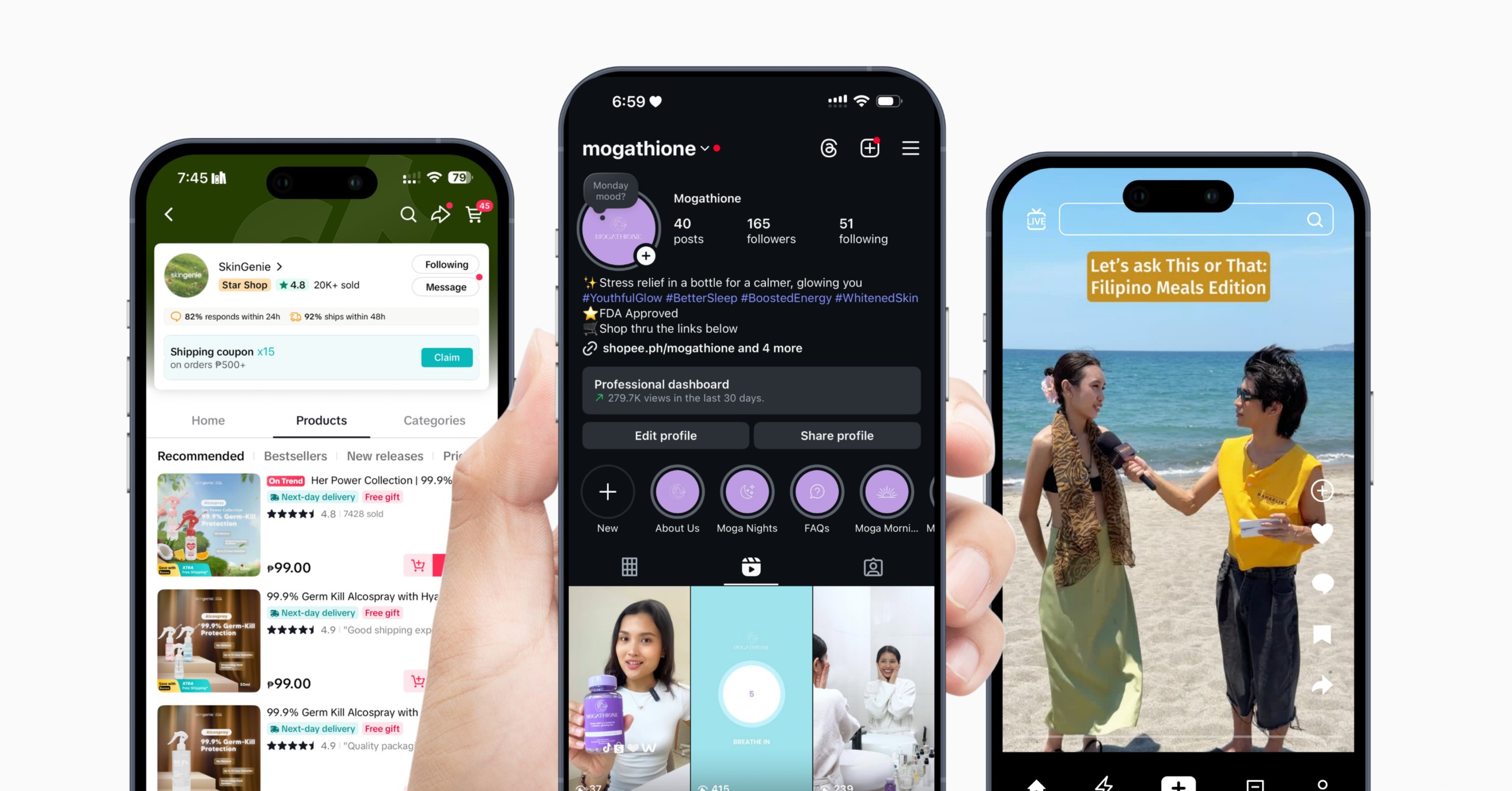
Social media management keeps the system moving. It brings planning, scheduling, publishing, comment awareness, and basic performance review into one rhythm. The audience response can help identify what deserves more explanation, which formats create useful engagement, and where the message may need to be clearer. The goal is not to chase every trend; it is to learn from real signals and make better choices over time.
Paid media can extend the reach of selected content when organic distribution alone is not enough. Media buying and paid ads should have a clear purpose, a defined audience, a suitable creative format, and a way to learn from the result. Promotion works best when it supports content that already has a clear message and a destination, rather than trying to make an unclear offer louder.
Who is content management for?
This service is for businesses that want to build visibility steadily, explain a considered offer, support a launch, or bring structure to channels that have become inconsistent. It suits teams with ideas but limited time, businesses entering a new market, and brands that need content to support both awareness and practical customer decisions.
Why it matters, and what it can deliver.
A considered content system can deliver a clearer editorial direction, a more consistent brand presence, a reusable library of assets, and better visibility into what your audience responds to. Depending on scope, the output may include research findings, a content strategy, a calendar, social assets, long-form content, video, publishing support, paid campaigns, and a review framework.
Success should be measured against the content's purpose: reach and discovery for awareness, meaningful engagement for connection, qualified actions for consideration, and useful feedback for improvement. Content management is a long-term practice, so the strongest result is a system that keeps learning while making your brand more useful to the people it wants to serve.
What's included.
From discovering what your audience needs to distributing the finished work, explore the parts of a content system that keep your brand active and intentional.
Content Research
Find the questions, interests, language, and patterns that can make your content more useful to the people you want to reach.
Content Strategy Development
Create a practical direction for themes, formats, channels, cadence, and the role each piece plays in the customer journey.
Content Creation
Turn the strategy into clear, on-brand writing, design, photography, video, and other assets your channels can use.
Social Media Management
Plan, publish, monitor, and maintain your social presence with a consistent editorial rhythm.
Media Buying/Paid Ads
Put selected content in front of relevant audiences through considered paid distribution and ongoing review.